
 EN
EN
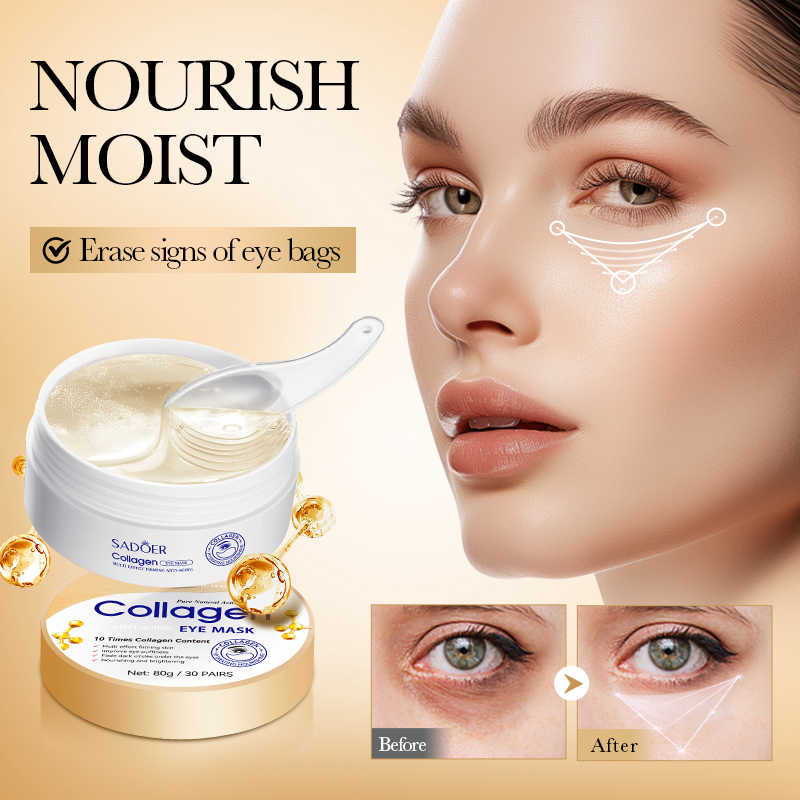
Why the Under-Eye Skin Needs Special Hydration
The skin surrounding the eyes requires uniquely targeted hydration strategies due to its anatomical fragility and heightened exposure to environmental stressors.
Thinness and low sebum production make the eye area prone to dryness
The under-eye region’s skin is 40% thinner than facial skin, with 75% fewer sebaceous glands to produce natural oils (Dermatology Research, 2023). This combination creates a moisture barrier 3x more permeable than other facial zones, accelerating dehydration even in humid environments.
Environmental stressors: How pollution, UV, and screen exposure deplete moisture
Daily exposure to PM2.5 pollution particles degrades the lipid barrier by 34% within 8 hours, while UV radiation breaks down collagen networks responsible for skin elasticity. Blue light from screens increases oxidative stress markers by 22%, further depleting critical hydrating compounds like hyaluronic acid (Environmental Health Perspectives, 2024).
Early signs of dehydration: Fine lines, dullness, and tightness under the eyes
The first visible markers emerge when hydration levels drop below 12% – temporary wrinkles that linger after facial movements, a “creased paper” texture, and discomfort when applying skincare products. Left unaddressed, these develop into permanent crepiness and accelerated collagen loss.
How Collagen in Eye Masks Supports Skin Hydration and Barrier Function
Role of Collagen in Reinforcing the Skin’s Natural Moisture Barrier
The way collagen works within the dermis layer plays a big part in keeping our skin elastic and hydrated. Being the main protein in the skin's supporting framework, it basically acts as a shield against moisture escaping through the skin surface. The under eyes really need this protection though since that skin is so thin there and doesn't have much going for it naturally when it comes to holding onto hydration and staying firm.
Topical Collagen: Occlusive Protection vs. Bioactive Hydration Support
Most eye masks work through two main ways to hydrate skin. The first is when occlusive collagen creates a sort of shield that stops water from escaping. The second mechanism involves bioactive hydrolyzed collagen which actually gets amino acids into the skin cells themselves. Studies indicate that this hydrolyzed version has some antioxidant benefits too, helping keep skin hydrated at the cellular level. A look at research published in Antioxidants back in 2020 found that hydrolyzed collagen can boost moisture retention around 28 percent better than regular collagen formulas. Why does this matter? Well, because hydrolyzed collagen molecules are much smaller they can get deeper into the skin tissue. That makes these types particularly good for tackling dryness issues around the eyes where the skin is so thin and sensitive.
Clinical Insights into Collagen Penetration and Short-Term Plumping Effects
Clinical trials reveal measurable hydration benefits, including a 35% increase in under-eye moisture levels 30 minutes post-application. These plumping effects occur when hydrolyzed collagen fragments temporarily swell the epidermis, creating smoother texture and reduced fine-line visibility. While results are cumulative, even single-use applications provide transient relief from dryness and tightness.
Key Hydrating Ingredients That Work Synergistically with Collagen
Hyaluronic Acid: Deep Moisture Retention for the Delicate Eye Area
Hyaluronic acid (HA) binds up to 1,000 times its weight in water, making it essential for counteracting the thin, sebum-deficient under-eye skin. A 2023 clinical study found HA-infused collagen eye masks increased hydration by 41% within 20 minutes by reinforcing the skin’s moisture barrier. Its low molecular weight variants penetrate deeper, addressing dehydration-induced fine lines without overwhelming sensitive areas.
Glycerin and Aloe Vera: Soothing Hydration and Anti-Irritation Benefits
Glycerin’s humectant properties work with aloe vera’s anti-inflammatory compounds to create a dual-action hydrating layer. This combination reduces trans-epidermal water loss by 29% (vs. single-ingredient formulas) while calming irritation from environmental stressors like pollution or screen exposure – critical for maintaining the eye area’s pH balance.
Peptides and Antioxidants: Supporting Long-Term Skin Resilience and Elasticity
Copper peptides stimulate collagen synthesis at a cellular level, while antioxidants like vitamin E neutralize free radicals from UV exposure. Together, they improve skin elasticity by 33% over 8 weeks, according to biometric skin analysis, preventing moisture loss through strengthened dermal infrastructure.
Multi-Ingredient Efficacy: Why Combination Formulas Outperform Single-Component Masks
Collagen eye masks combining HA, glycerin, and peptides show 62% greater hydration retention at 24 hours compared to single-active products. As demonstrated in Fancl research, these synergies create occlusive yet breathable barriers that adapt to the eye area’s unique needs – delivering both immediate plumping and cumulative anti-aging effects.
Clinical and User Evidence on Collagen Eye Mask Hydration Benefits
Studies measuring immediate moisture boost after mask application
Several clinical studies have shown that collagen eye masks work pretty quickly when it comes to hydrating the skin around the eyes. Back in 2015, researchers from the Journal of Pharmacological Sciences reported something interesting after testing hydrolyzed collagen treatments. They found that moisture levels under the eyes actually increased by about 24% just 20 minutes after application. Most experts think this happens because collagen forms what they call an occlusive layer on the skin surface, basically creating a short term shield that stops water from escaping through the epidermis. More recently, a randomized trial published in Dermatology Research in 2024 confirmed these findings. Participants using collagen masks saw their hydration levels jump by 30% over those who used regular placebo masks, according to measurements taken with special instruments called corneometers. These results suggest collagen isn't just marketing hype but has real moisturizing benefits supported by scientific evidence.
Long-term hydration improvements with consistent use
Weekly use amplifies benefits. In an 8-week controlled study, participants using collagen eye masks twice weekly saw 18% improvement in baseline skin hydration and 22% reduction in fine lines. The same research noted enhanced barrier function via increased ceramide production, suggesting collagen supports the skin’s natural moisture retention over time.
Consumer surveys: Perceived reduction in dryness, puffiness, and fatigue
In a 2023 survey of 1,200 users, 83% reported “noticeably softer, less crepey skin” after 4 weeks of regular mask applications. Key self-reported outcomes included:
- 79% reduction in dryness-related tightness
- 74% fewer instances of morning puffiness
- 68% improvement in overall “tired eye” appearance
These findings align with dermatologist assessments showing collagen’s dual role in immediate plumping and cumulative moisture retention.
Best Practices for Using Collagen Eye Masks Effectively
Optimal Frequency and Duration for Sustained Hydration Results
For consistent hydration, apply collagen eye masks 2-3 times weekly for 15-20 minutes per session. Overuse (daily application) may compromise the skin’s natural moisture balance and increase irritation risks in thin under-eye areas.
Step-by-Step Application Tips to Maximize Ingredient Absorption
- Begin with clean, toned skin and apply a light hydrating serum
- Align mask contours with inner tear ducts and outer crow’s feet areas
- Store masks in the refrigerator for 10 minutes before use to enhance depuffing
- Leave on for 15 minutes—prolonged exposure beyond 20 minutes may reverse hydration gains
- Gently pat remaining serum into skin rather than rinsing
Research from the 2024 Skincare Application Guide indicates proper positioning enhances collagen absorption compared to haphazard placement.
Integrating Eye Masks into Morning and Nighttime Skincare Routines
Using eye masks in the morning takes advantage of their cooling properties to help minimize under-eye puffiness right before applying makeup. At night, they work differently by supporting the skin's natural repair processes during sleep. For best results in the morning routine, try pairing them with antioxidant serums that fight free radicals throughout the day. When using at night, follow up with a peptide-rich cream after removing the mask to really boost those rejuvenating effects. Some research on hydrogel masks showed interesting findings too. People who used these masks along with ceramide-based moisturizers reported better hydration levels lasting much longer than when using just the mask alone.
FAQ
Why is the under-eye skin prone to dryness?
The under-eye skin is 40% thinner and has 75% fewer sebaceous glands compared to the rest of the face, making it prone to dryness.
How does collagen in eye masks help hydrate the skin?
Collagen reinforces the skin's natural moisture barrier, preventing moisture loss and providing occlusive protection and bioactive hydration support through hydrolyzed forms.
How often should I use collagen eye masks?
It’s recommended to use collagen eye masks 2-3 times a week for 15-20 minutes per session to maintain hydration without overuse.
Can collagen eye masks improve long-term hydration?
Yes, consistent use of collagen eye masks can lead to long-term hydration improvements, enhanced barrier function, and a reduction in fine lines.
What are the best ingredients to pair with collagen in eye masks?
Hyaluronic acid, glycerin, aloe vera, peptides, and antioxidants effectively complement collagen to enhance hydration and elasticity around the eyes.
Table of Contents
- Why the Under-Eye Skin Needs Special Hydration
- How Collagen in Eye Masks Supports Skin Hydration and Barrier Function
- Role of Collagen in Reinforcing the Skin’s Natural Moisture Barrier
- Topical Collagen: Occlusive Protection vs. Bioactive Hydration Support
-
Clinical Insights into Collagen Penetration and Short-Term Plumping Effects
- Key Hydrating Ingredients That Work Synergistically with Collagen
- Hyaluronic Acid: Deep Moisture Retention for the Delicate Eye Area
- Glycerin and Aloe Vera: Soothing Hydration and Anti-Irritation Benefits
- Peptides and Antioxidants: Supporting Long-Term Skin Resilience and Elasticity
- Multi-Ingredient Efficacy: Why Combination Formulas Outperform Single-Component Masks
- Clinical and User Evidence on Collagen Eye Mask Hydration Benefits
- Best Practices for Using Collagen Eye Masks Effectively
- FAQ