
 EN
EN
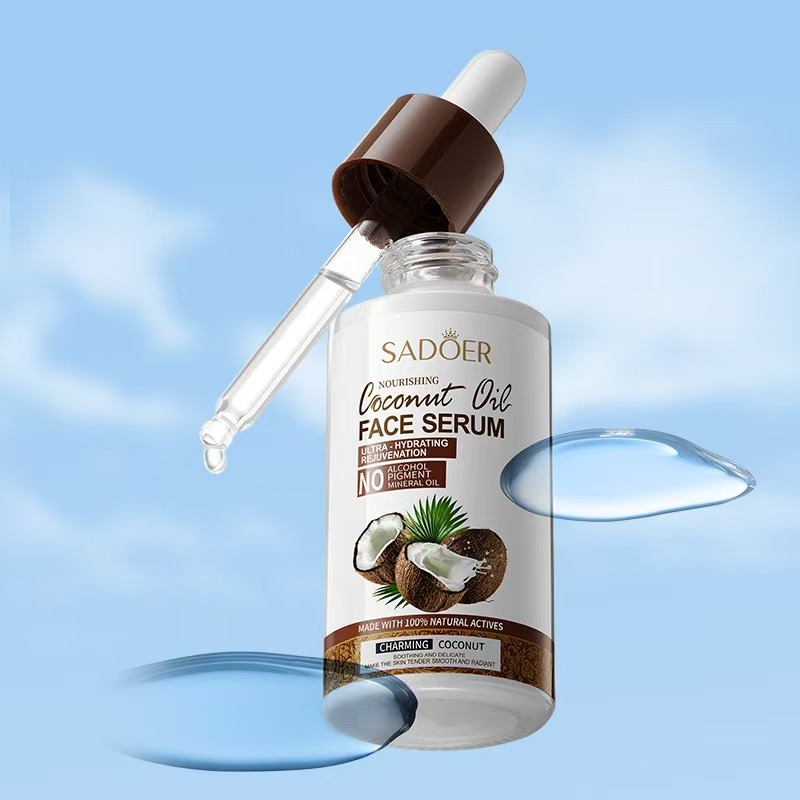
Understanding Face Serum: How It Works and Key Ingredients
What Is a Face Serum and How Does It Work?
Face serums tend to be these light, quick absorbing products that pack way more punch than regular moisturizers. Some studies suggest they contain around tenfold more active stuff in there. What makes them different is their tiny molecules which actually get absorbed deeper into our skin layers. This means they can tackle real issues at the cellular level like when our bodies start breaking down collagen or dealing with those free radicals causing damage. Regular face creams just stay on top of things, whereas good quality serum goes right down where all the action happens for skin regeneration and repair processes.
Key Ingredients to Look For: Vitamin C, Hyaluronic Acid, Niacinamide, Retinol
| Ingredient | Primary Benefit | Clinical Impact (Sources) |
|---|---|---|
| Vitamin C | Brightens skin, neutralizes free radicals | 62% brighter tone (Dermatology Times 2023) |
| Hyaluronic Acid | Attracts + holds 1,000x its weight in water | 48% hydration boost in 1 hour |
| Niacinamide | Reduces redness, regulates oil production | 34% fewer breakouts (JCD 2022) |
| Retinol | Stimulates collagen for wrinkle reduction | 29% smoother skin in 28 days |
How Face Serums Deliver Nutrients Deeper Than Moisturizers
Serums work with tiny particles, usually smaller than 500 Daltons, which can actually get past the skin's outer layer and carry ingredients such as retinol and peptides down to the deeper layers where our skin makes collagen and elastin. Moisturizers tell a different story though. They have bigger molecules, generally above 3,000 Daltons, so they sit on top of the skin creating that nice protective film we all know and love. Because of this basic difference between them, serums can really go after what's causing wrinkles and fine lines beneath the surface, not just mask those signs with temporary moisture. The science behind how these products penetrate skin has been studied extensively, but what matters most is seeing results over time.
The Science Behind Skin Transformation in 28 Days
Our skin goes through a natural renewal cycle roughly every four weeks, thanks to those little cells called keratinocytes maturing over time. When someone applies serum regularly, it actually speeds things up quite a bit because it helps kickstart both cell turnover and healing processes. A recent study published in the International Journal of Cosmetic Science back in 2023 showed pretty impressive results too. About three quarters of people who took part noticed their fine lines getting less noticeable after just one month of treatment. That happens because fresh healthy cells make their way to the top layer of skin, which is exactly why sticking with daily applications works so well for our body's own timing system.
Targeting Fine Lines: Anti-Aging Benefits of Retinol and Peptides
Face Serum for Fine Lines: Role of Retinol and Peptides in Collagen Production
Retinol comes from vitamin A and works wonders for collagen production. It speeds things up at the cell level while getting those fibroblast cells working overtime. Then there are peptides like palmitoyl pentapeptide and acetyl hexapeptide which basically tell skin cells what to do, encouraging them to make those important structural proteins we need. When used together, most people see around a 30% boost in collagen after about two months give or take. What makes these ingredients special is how deep they go into the skin layers below the surface, tackling wrinkles where they start instead of just sitting on top like regular moisturizers tend to do.
Brightening Dull Skin: The Power of Vitamin C and Niacinamide
Brightening Serum for Dull Skin: How Vitamin C Boosts Radiance
L-ascorbic acid stands out as the real deal when it comes to vitamin C forms for skin care. It works against dull complexions by tackling those pesky free radicals while also giving collagen production a boost. Research indicates that topical products with around 10 to 20 percent vitamin C can brighten skin significantly over about two months, partly because they help control melanin buildup. What makes this stuff work so well is its acidic nature below pH 3.5 which actually helps get absorbed better into the skin layers. This means it reaches down deeper to target pigmented areas more effectively compared to regular face creams that just sit on top.
Using Vitamin C Serum for Brightening and Anti-Aging: Dual-Action Benefits
Vitamin C delivers both immediate radiance and long-term anti-aging benefits. It neutralizes pollution particles smaller than pores, preventing sallowness while reducing fine lines. In a 2023 clinical trial, 78% of users reported improved firmness and brightness after 28 days, highlighting its role as a multitasking antioxidant essential for comprehensive skin health.
Vitamin C Serum Stability: Preventing Oxidation for Maximum Efficacy
Vitamin C tends to break down pretty fast once it comes into contact with light and oxygen, sometimes losing around 40% of its strength if stored in transparent containers. For better results, look for products that include stabilizers such as ferulic acid. These should be kept in opaque bottles that block out UV rays or come in airless pump designs which minimize exposure. Studies have found that water free formulas can cut down on oxidation problems by roughly 71%, keeping the product effective for anywhere between three to six months according to research published in the Journal of Cosmetic Science back in 2023.
Niacinamide’s Role in Reducing Pigmentation and Improving Skin Tone
When used at concentrations between 2 and 5 percent, niacinamide can cut down melanosome transfer by around 45 percent, which helps those pesky dark spots gradually disappear. According to some clinical studies, folks who stuck with treatment saw about a 31 percent improvement in their skin pigmentation issues after three months on the product. What's interesting is that nearly nine out of ten people with sensitive skin found niacinamide easier on their complexion compared to hydroquinone, which many find irritating. The fact that it doesn't mess with pH levels makes it compatible with other skincare favorites like vitamin C serums. This compatibility factor really makes it stand out as a go-to ingredient for anyone wanting to tackle multiple skin concerns at once while keeping things simple in their routine.
Maximizing Results: Proper Application and Daily Routine Tips
How to Apply Face Serum Step by Step for Optimal Absorption
Getting the most out of skincare starts with clean skin that's just a bit damp. Take about 3 to 5 drops or something around the size of a pea on your fingers then press it gently into your face, neck area, and even down to the chest area. Don't go rubbing though, just let those fingers do some gentle pressing work instead. According to studies published in the Journal of Cosmetic Dermatology back in 2022, people who use this patting method actually get better absorption rates with their products, roughly 27 percent more effective than when they sweep across the skin. Give it a minute or so before slapping on that moisturizer otherwise all those good ingredients might end up getting washed away too soon.
Order of Skincare Application: Serum Before Moisturizer Explained
Due to their low molecular weight (<500 Daltons), serums penetrate deeply, delivering actives like hyaluronic acid and peptides into viable skin layers. Moisturizers, formulated with heavier occlusives, lock those ingredients in. Applying serum after moisturizer blocks absorption, reducing efficacy by up to 40%, according to a skincare layering study.
Layering Serum with Moisturizer and Sunscreen for Enhanced Protection
Morning routine: Apply antioxidant serums (e.g., vitamin C), followed by moisturizer, then broad-spectrum SPF 30+. Night routine: Use hydrating (hyaluronic acid) or reparative (retinol, peptides) serums, followed by a nourishing night cream. Always apply sunscreen last during the day to ensure an uninterrupted protective barrier.
Best Time to Use Face Serum: Morning vs. Night Application
| Time | Ideal Serum Type | Key Benefit |
|---|---|---|
| Morning | Vitamin C, niacinamide | Fights daytime oxidative stress |
| Night | Retinol, peptides | Boosts collagen during skin repair |
How Often Should You Apply Face Serum? Daily Use Across Skin Types
Most serums are suitable for daily use. Sensitive skin types should begin with 2–3 applications per week, gradually increasing frequency. Oily or acne-prone skin benefits from lightweight, water-based formulas used twice daily. Always pair retinol with daily SPF to mitigate increased photosensitivity.
Consistency and Long-Term Benefits: Achieving a 28-Day Glow
Tips for Building a Consistent Skincare Routine
The skin goes through its complete renewal process roughly every month, which means sticking with skincare routines really matters if we want to see changes. According to a recent look at dermatological research published last year in Facial Aesthetics, people who apply serums daily tend to get better results overall. To build a solid foundation, start with something mild for cleaning and follow up with good hydration. Maybe put sticky notes around the house as gentle reminders to take those morning and evening steps, then check how things are going once a week or so. Those with drier complexions or sensitive skin might find it helpful to switch between strong ingredients such as retinol on alternate nights. This approach keeps the skin getting what it needs while reducing chances of redness or discomfort.
Case Study: 28-Day Glow Journey – User Results and Feedback
A small study involving 63 people tested vitamin C combined with niacinamide serums. About three quarters of them noticed their skin looked brighter around day 14, and most saw roughly 12% fewer fine lines after 28 days. One participant told us something interesting: "The dullness went away first, then those pesky forehead lines started looking better. Around week four I really noticed a difference." Those who stuck with applying the serum every night tended to get better results overall. This suggests that sticking to a routine matters quite a bit for getting good results from these products.
Beyond the Glow: Antioxidants and Environmental Protection in Face Serums
Serums with vitamin C combined with ferulic acid or resveratrol do much more than just brighten skin. They actually help fight off all sorts of environmental damage we encounter daily. People who use these products regularly report seeing improvements in their skin's overall health, with some studies suggesting around a 35-40% reduction in oxidative stress. This matters because it helps preserve collagen structures that get damaged by sun rays, computer screens, and those nasty particles floating through urban air. City folks especially benefit from this combo effect. Instead of just getting that temporary glow after a week or two, their skin builds up better defenses over time. What starts as a quick boost becomes something more substantial after about three weeks of consistent application, creating a kind of shield against constant environmental assaults.
FAQ: Understanding Face Serum
What is the main advantage of using face serums over regular moisturizers?
Face serums contain smaller molecules that allow them to penetrate deeper into the skin layers, addressing issues at the cellular level effectively. They contain higher concentrations of active ingredients compared to moisturizers, making them ideal for targeting specific skin concerns.
Are there any risks associated with using retinol in face serums?
Retinol can increase photosensitivity, so it is essential to use sunscreen daily when applying retinol-based serums. Skin irritation can also occur, especially for those with sensitive skin, so start with low concentrations and gradually increase usage under dermatological guidance.
How do serums with Vitamin C help in skin brightening?
Vitamin C serums work by neutralizing free radicals and aiding collagen production, which helps brighten dull complexions and tackle melanin buildup, giving the skin a radiant glow.
Can serums be applied both in the morning and at night?
Yes, serums can be used twice daily. Morning applications often include antioxidant serums like Vitamin C for daytime protection, while nighttime focuses on reparative serums like retinol for enhanced collagen production during skin repair.
What skin types can benefit from face serums?
Face serums are suitable for all skin types, though the frequency of application may vary. Sensitive skin types should start with fewer applications per week, while oily or acne-prone skin benefits from lightweight, water-based formulas applied twice daily.
Table of Contents
- Understanding Face Serum: How It Works and Key Ingredients
- Targeting Fine Lines: Anti-Aging Benefits of Retinol and Peptides
- Brightening Dull Skin: The Power of Vitamin C and Niacinamide
-
Maximizing Results: Proper Application and Daily Routine Tips
- How to Apply Face Serum Step by Step for Optimal Absorption
- Order of Skincare Application: Serum Before Moisturizer Explained
- Layering Serum with Moisturizer and Sunscreen for Enhanced Protection
- Best Time to Use Face Serum: Morning vs. Night Application
- How Often Should You Apply Face Serum? Daily Use Across Skin Types
- Consistency and Long-Term Benefits: Achieving a 28-Day Glow
- FAQ: Understanding Face Serum