
 EN
EN
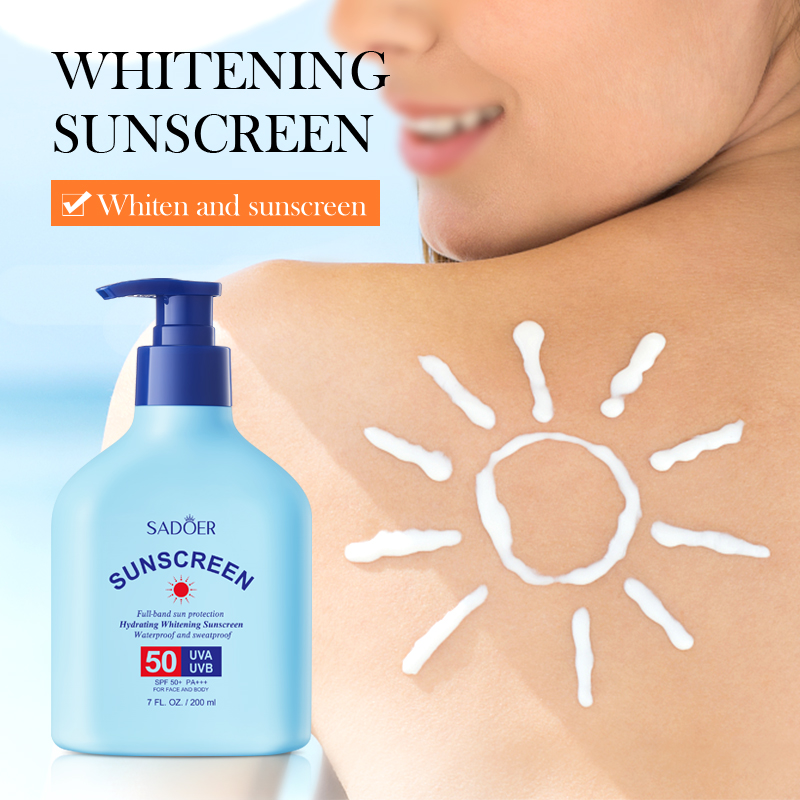
Understanding Sunscreen Basics for Daily Protection
What Is Sunscreen and How Does It Protect Skin?
Sunscreen works by creating a shield on our skin that either soaks up or bounces back those harmful UV rays before they can get into our skin cells. The stuff inside sunscreen does all the work here. Things like zinc oxide, which is mineral based, or avobenzone, a chemical ingredient, go after both types of UV radiation. UVA rays are the ones that really age our skin over time, while UVB causes painful sunburns. When sunscreen stops these rays from getting through, it actually helps protect our DNA deep down in the cells. This protection cuts down on oxidative stress, which we know leads to wrinkles and other signs of early aging plus some serious health risks too.
Chemical vs. Mineral Sunscreen: Key Differences and Benefits
Mineral sunscreens basically coat the skin's surface, creating a physical barrier against those harmful UV rays thanks to stuff like titanium dioxide and zinc oxide. These are great options for folks with sensitive skin who might react badly to other products. Chemical sunscreens work differently though they contain ingredients such as octinoxate and avobenzone which actually soak up the UV radiation and turn it into harmless heat energy. The good news is mineral sunscreens start working right away when applied, while many people find chemical ones easier to wear underneath makeup because they tend not to leave that white cast. Most skin doctors will tell patients to go for at least SPF 30 regardless of whether they choose mineral or chemical formulas for their everyday sun protection needs.
Why Daily Sunscreen Use Is Essential for Long-Term Skin Health
About 90 percent of how our skin looks as we age comes down to all that sun exposure over time. The UV rays actually break down collagen at around 2.5 times the rate in skin that gets protected. A recent study published in 2024 by certified dermatologists found something pretty significant too daily sunscreen application cuts melanoma risks nearly in half and brings down squamous cell carcinoma cases by roughly 40%. We often forget that those short moments outside while commuting or even on overcast days still cause damage. That makes regular SPF application probably the single best defense against premature aging that science has come up with so far.
Matching Sunscreen to Your Skin Type and Lifestyle Needs
Best Sunscreens for Oily, Dry, Sensitive, and Acne-Prone Skin
Picking out the best sunscreen really comes down to what kind of skin we're dealing with. People who struggle with oily or breakout-prone skin might want to go for those oil-free options labeled non-comedogenic. Gels and lighter fluids work well here since they tend to soak in fast without leaving behind that greasy residue that clogs pores. For folks with dry complexions, look for moisturizing creams packed with ingredients like hyaluronic acid or ceramides. These actually help keep skin hydrated throughout the day while still protecting against harmful UV rays. Sensitive skin types often have trouble finding products that don't cause reactions. Mineral sunscreens without fragrances seem to be the way to go for many of them, especially ones containing zinc oxide or titanium dioxide. According to some research published last year, around two thirds of people with sensitive skin noticed their redness went down once they made the switch to these mineral based SPFs instead of chemical alternatives.
Sunscreen for Makeup Wearers: Lightweight Formulas That Layer Well
Sunscreen doesn't have to throw off the whole beauty routine these days. When shopping around, check out those lightweight formulas that sink in quickly, such as gel creams or serum type stuff, which actually work well under foundation. Some tinted options contain iron oxides and offer protection from both blue light exposure and regular UV radiation, plus they help even out skin color pretty nicely. According to some research floating around lately, about 8 out of 10 people who tested different products said they liked ones marked as makeup friendly because they didn't leave any greasy residue behind. And when needing to refresh later on, there are spf powders available now or those setting sprays that let someone apply more protection without messing up already applied makeup.
Active Lifestyles: Sport and Outdoor-Grade Sunscreen Solutions
Outdoor activities demand water-resistant, sweat-proof formulas that maintain protection for up to 80 minutes. Mineral sunscreens with zinc oxide deliver reliable broad-spectrum coverage during hiking, cycling, or swimming. Pair these with SPF lip balms and stick formats for convenient reapplication to ears, neck, and lips.
Urban vs. Rural Exposure: Adapting SPF to Your Environment
People living in cities get hit with UVA rays every day just from sitting by windows and breathing polluted air that creates free radicals. That's why sunscreens packed with antioxidants like vitamin C or niacinamide are so important for fighting off all that damage. Out in the countryside things look different though. Farmers and gardeners spend way more time under the sun, so they really need something heavy duty. Look for SPF 50+ formulas that stay put even when sweating or getting wet. These higher protection levels make all the difference when spending hours outside without shade.
Safe and Effective Sunscreen Ingredients to Look For
Top Active Ingredients in Modern Sunscreen Formulas
According to the FDA's 2019 GRASE standards, just two mineral based UV filters have been officially approved for safety and effectiveness these days: zinc oxide and titanium dioxide. What makes these minerals special is their ability to sit on top of the skin and bounce back harmful UV rays instead of getting absorbed into the body. For people with sensitive or easily irritated skin, this characteristic makes them particularly good choices. Zinc oxide stands out among these options because it blocks around 95 to 98 percent of both UVA and UVB radiation while staying stable under sun exposure. Most chemical sunscreens tend to break down when exposed to sunlight, which isn't something we see with zinc oxide products.
Avoiding Harmful Additives: Parabens, Fragrances, and Oxybenzone
Even though people know more about it now, around 72 percent of all sunscreens on store shelves still have oxybenzone in them. This stuff is a chemical that blocks UV rays but has been connected to problems with hormones and even killing off coral reefs. According to the folks at Environmental Working Group, we should really stay away from oxybenzone along with octinoxate and avobenzone too since these chemicals haven't been proven safe enough according to FDA standards. Parabens are another issue. About 40% of those cheap drugstore brands put parabens in their products, which some people get allergic reactions to. The good news? We can swap those out for something much nicer like vitamin E or tocopherol instead. If skin sensitivity is a concern, look for products labeled fragrance free and non comedogenic. These tend to cause fewer issues overall when applied regularly.
Reef-Safe and Non-Toxic Sunscreen: Clean Beauty Meets Sun Protection
Sunscreen labeled reef safe typically contains non nano forms of zinc oxide or titanium dioxide that won't damage ocean creatures. The bad stuff? Oxybenzone and octinoxate are out of the picture since studies have found even tiny amounts can cause coral bleaching. We're talking really small concentrations here, around 62 parts per trillion to be exact. A lot of modern clean beauty companies are mixing their environmentally friendly formulas with skin loving additives such as hyaluronic acid and extracts from green tea leaves. When heading down to the beach, look for products carrying Reef Safe certification marks and check that they stay effective in water for about 80 minutes minimum. That way swimmers get protection without harming delicate underwater ecosystems.
Key Tip: Always check labels for “non-nano” zinc oxide (particles larger than 100 nanometers) to ensure minimal environmental impact.
Proper Application Techniques for Maximum Effectiveness
How Much Sunscreen Should You Apply Each Day?
To get proper protection from sunscreen, aim for around 2 milligrams per square centimeter of skin. That works out to roughly one ounce or 30 ml when covering the whole body. According to studies published in the Journal of the American Academy of Dermatology back in 2021, many folks actually put on just about half or maybe three quarters of what's needed, which cuts down how well it works against UV rays. When applying to the face specifically, grab a bit bigger than a nickel's worth and make sure to rub it in thoroughly over every part that might be exposed to sunlight, including ears and neck area too.
When to Apply Sunscreen Before Going Outside
Apply sunscreen 15–30 minutes before sun exposure. This allows chemical sunscreens time to bind with the skin and become effective, while mineral formulas begin protecting immediately upon application. The Skin Cancer Foundation emphasizes this pre-exposure window to prevent early UV penetration when stepping outdoors.
Reapplication Rules: Staying Protected Throughout the Day
It's best to put on sunscreen again roughly every two hours, definitely when coming out of the pool, working up a sweat at the gym, or drying off with a towel. Most so called water resistant formulas start breaking down after anywhere between 40 to maybe 80 minutes if they get wet. For those hard to reach spots, keep a travel size stick or spray bottle handy. Shoulders, ears, and the tip of the nose tend to get forgotten but need protection too. Recent studies published last year showed something pretty interesting actually - people who reapplied their sunscreen throughout the day ended up with about 78% less long term skin damage from UV rays than folks who only applied once. Makes sense when you think about it though, right?
FAQ
What is the main difference between chemical and mineral sunscreens?
Chemical sunscreens absorb UV radiation, converting it to heat, while mineral sunscreens reflect UV rays, forming a physical barrier on the skin.
Can I use the same sunscreen for my face and body?
Yes, but it's often recommended to use a sunscreen formulated for the face as it may contain ingredients suited for facial skin and avoid clogging pores.
How often should I reapply sunscreen?
Reapply every two hours, especially after swimming, sweating, or towel drying to maintain protection.
What SPF level is recommended for daily use?
Dermatologists typically recommend using a sunscreen with at least SPF 30 for daily protection.
What should I look for in a sunscreen if I have sensitive skin?
Opt for mineral sunscreens with zinc oxide or titanium dioxide, and check that they are fragrance-free and non-comedogenic to minimize irritation.
Table of Contents
- Understanding Sunscreen Basics for Daily Protection
- Matching Sunscreen to Your Skin Type and Lifestyle Needs
- Safe and Effective Sunscreen Ingredients to Look For
- Top Active Ingredients in Modern Sunscreen Formulas
- Avoiding Harmful Additives: Parabens, Fragrances, and Oxybenzone
- Reef-Safe and Non-Toxic Sunscreen: Clean Beauty Meets Sun Protection
- Proper Application Techniques for Maximum Effectiveness
- FAQ