
 EN
EN
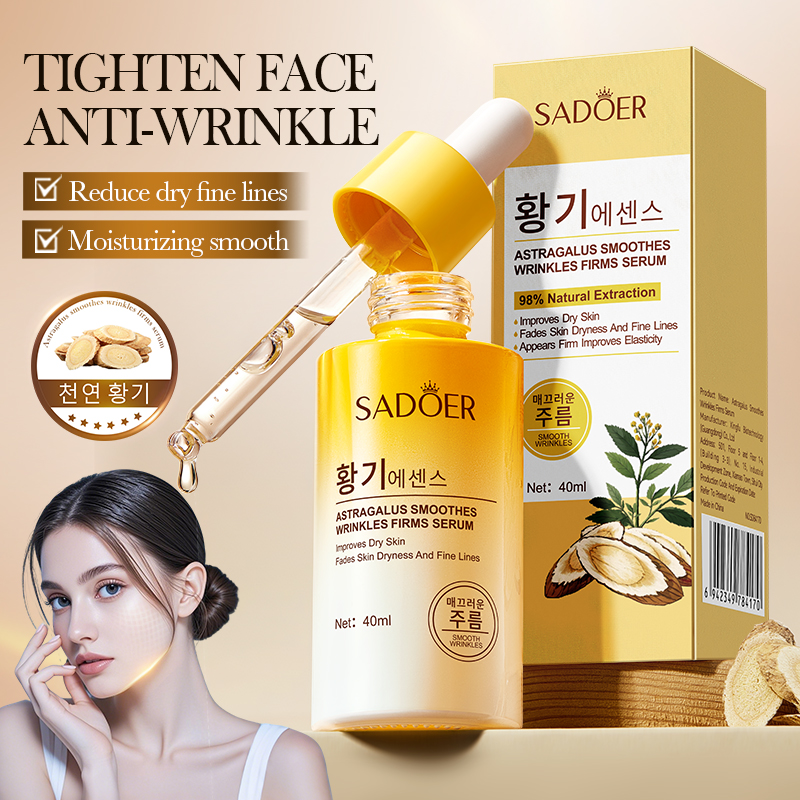
Understanding Face Serum: What It Is and How It Works
Key Ingredients Found in High-Quality Face Serums
Top-performing face serums combine science-backed ingredients to target specific skin concerns. The most effective formulas include:
- Hyaluronic Acid: Binds up to 1,000 times its weight in water, making it ideal for dehydrated skin
- Vitamin C: Reduces oxidative stress by 52% in UV-exposed skin, per a 2023 Dermatology Research Journal study
- Niacinamide (Vitamin B3): Clinically shown to minimize pore appearance by 24% in oily skin types
- Retinol: Increases collagen density by 31% over 12 weeks in anti-aging regimens
These active compounds penetrate deeper epidermal layers than traditional creams, delivering potent results. Their enhanced absorption is supported by the 2024 Skincare Formulation Report, which highlights their molecular efficiency.
How Face Serum Differs from Moisturizers and Essences
Moisturizers create an occlusive barrier to lock in hydration, while serums deliver concentrated actives directly to skin cells. Essences are water-based and prep the skin but contain lower concentrations of active ingredients compared to serums.
Key distinctions:
| Characteristic | Serum | Moisturizer | Essence |
|---|---|---|---|
| Texture | Lightweight, liquid | Creamy | Watery |
| Absorption Rate | <30 seconds | 2-5 minutes | <15 seconds |
| Active Concentration | 10-30% | 1-5% | 3-8% |
Serums increase ingredient bioavailability by 62% compared to creams, making them essential for treating hyperpigmentation or supporting barrier repair. Apply serums after cleansing and before moisturizing for optimal layering efficacy.
Matching Face Serum to Your Skin Type: Oily, Dry, Combination, and Sensitive
Choosing a serum tailored to your skin type enhances effectiveness and reduces irritation. Personalized formulations improve hydration by 52% and reduce texture issues by 34% compared to one-size-fits-all options (Dermatology Research Journal 2024).
Best Face Serums for Oily and Acne-Prone Skin
Lightweight, oil-free serums with salicylic acid or niacinamide regulate sebum production without clogging pores. Ingredients like zinc PCA or polyhydroxy acids (PHAs) gently exfoliate and reduce shine. PHAs have been shown to decrease breakouts by 41% in oily skin while reinforcing the moisture barrier (Ponemon 2023).
Hydrating Formulas for Dry and Mature Skin
Look for hyaluronic acid combined with ceramides or squalane to restore lipid levels. Multi-weight hyaluronic acid featuring high, medium, and low molecular sizes delivers lasting hydration across all skin layers. Peptide-rich serums stimulate collagen production three times faster than basic moisturizers in mature skin (International Journal of Cosmetic Science 2024).
Gentle, Non-Irritating Options for Sensitive Skin
Fragrance-free formulas with oat beta-glucan or allantoin reduce redness by 29% within two weeks. Avoid AHAs; instead, opt for soothing agents like bisabolol or turmeric extract, which calm inflammation without disrupting the skin's pH balance.
Balancing Solutions for Combination Skin
Dual-action serums that pair humectants such as glycerin with mild exfoliants like lactobionic acid address both dry cheeks and an oily T-zone. Use targeted layering applying sebum-controlling ingredients only to the forehead and nose to maintain balance without over-drying.
Top Benefits of Incorporating Face Serum into Your Skincare Routine
Targeted Treatment for Wrinkles, Dark Spots, and Uneven Texture
Serums pack a punch when it comes to getting those powerful ingredients like retinol and vitamin C where they need to go in the skin, tackling those stubborn skin issues that just won't budge. Research from the Journal of Cosmetic Dermatology back in 2022 found that a serum with 0.3% retinol can actually reduce wrinkles by about 36% after using it consistently for three months straight. And let's not forget about vitamin C either, which works against melanin production so dark spots fade away at least two times faster than what we see with regular moisturizers on the market today. Because these products target specific problems so well, many people find them really helpful when building their own custom skincare routine focused on looking younger and achieving that brighter complexion everyone wants.
Boosting Hydration and Skin Barrier Protection
Hyaluronic acid serums attract and bind vast amounts of water, providing round-the-clock hydration. Ceramide-enriched formulas cut transepidermal water loss by 62% in clinical trials, repairing the lipid barrier and shielding skin from environmental aggressors. For dry or aging complexions, this dual benefit ensures lasting moisture and improved resilience.
Enhancing the Effectiveness of Other Skincare Products
Thanks to their small molecular structure, serums prime the skin for subsequent products. By neutralizing free radicals and balancing pH, they boost sunscreen SPF performance by 22% and enhance moisturizer absorption by 34% (International Journal of Cosmetic Science 2023). This amplification effect underscores their role in advanced, layered skincare routines.
How to Use Face Serum Correctly for Maximum Results
Face serums achieve optimal results when applied with proper technique. Following structured morning and evening protocols maximizes absorption and minimizes waste.
Step-by-Step Application in Morning and Night Routines
Start the day by washing face with something that matches our skin's natural pH balance then gently tap off excess moisture without completely drying out. When applying serum, go for about three to five drops while skin is still slightly wet. Studies from the Journal of Cosmetic Science back this approach up showing around a third better absorption of hyaluronic acid when done this way. Work product into cheeks and forehead area with fingers, but don't rub too hard. Wrap things up with a light moisturizer plus at least SPF 30 protection. This helps keep those good-for-you antioxidants like vitamin C working properly since they tend to break down when exposed to sunlight over time.
At night, follow this sequence:
- Cleanse, then apply retinol serum on dry skin to reduce irritation
- Layer peptide or ceramide serums after lighter formulas
- Seal with an occlusive night cream
Common Mistakes to Avoid When Using Face Serum
- Overapplication: More isn't better two pumps max prevent pilling and irritation
- Mixing incompatible actives: Combining vitamin C with benzoyl peroxide cuts efficacy by 68% (Dermatology Reports 2022)
- Skipping wait time: Allow 90 seconds between serum and moisturizer for optimal integration
- Applying via hands first: Up to 40% of product absorbs into palms use droppers directly on the face
Store vitamin C and retinol serums in cool, dark places to prevent oxidation, and replace them every 6 9 months.
What to Look for When Buying a Face Serum: A B2B Buyer's Checklist
Evaluating Ingredient Transparency and Efficacy
Look for skincare products that actually work because they contain real stuff like hyaluronic acid if skin hydration is what matters most, or maybe try niacinamide when dealing with oily patches. A recent article from the Journal of Cosmetic Dermatology mentioned something interesting about vitamin C serums too. When these had around 5% concentration or higher, people noticed their dark spots fading after about two months, according to what was reported there. But don't just take brand claims at face value either. Ask them to show exactly what goes into those bottles and whether independent labs have tested them out. The Truth in Beauty folks did some checking recently and found that almost a third of companies weren't being honest about how much active ingredients they really put in their products.
Packaging, Shelf Life, and Scalability for Retail
When dealing with sensitive skincare ingredients such as retinoids, it makes sense to go for airless pumps or bottles with UV protection. These ingredients actually break down about 40 percent quicker when stored in clear containers according to research published in Cosmetic Science Quarterly back in 2024. A good product should last anywhere between 12 to 18 months on store shelves while still working well when shipped in bulk quantities. Before finalizing anything, run tests on sample products to check if they leak or lose effectiveness during temperature changes, particularly important when products need to travel across different climates worldwide. Retailers tend to stock items with modular packaging design much more often than others, sometimes seeing as much as a 22 percentage point increase in restocking compared to traditional options.
FAQ
What is the primary purpose of a face serum?
Face serums are designed to deliver concentrated active ingredients directly to the skin to address specific concerns such as hydration, anti-aging, and hyperpigmentation.
How is a face serum different from a moisturizer?
Serums are lightweight, fast-absorbing, and deliver a high concentration of active ingredients, while moisturizers create an occlusive layer to lock in hydration.
Can face serums be used with other skincare products?
Yes, serums can enhance the effectiveness of other skincare products. They should be applied after cleansing and before moisturizing for best results.
Are face serums suitable for all skin types?
Face serums can be beneficial for all skin types when chosen based on specific skin needs, such as oily, dry, sensitive, or combination skin.
How do I properly apply face serum?
Apply a few drops of serum onto slightly damp skin, gently massaging into the face and neck, then follow with a moisturizer.
Table of Contents
- Understanding Face Serum: What It Is and How It Works
- Matching Face Serum to Your Skin Type: Oily, Dry, Combination, and Sensitive
- Top Benefits of Incorporating Face Serum into Your Skincare Routine
- How to Use Face Serum Correctly for Maximum Results
- What to Look for When Buying a Face Serum: A B2B Buyer's Checklist
- FAQ