
 EN
EN
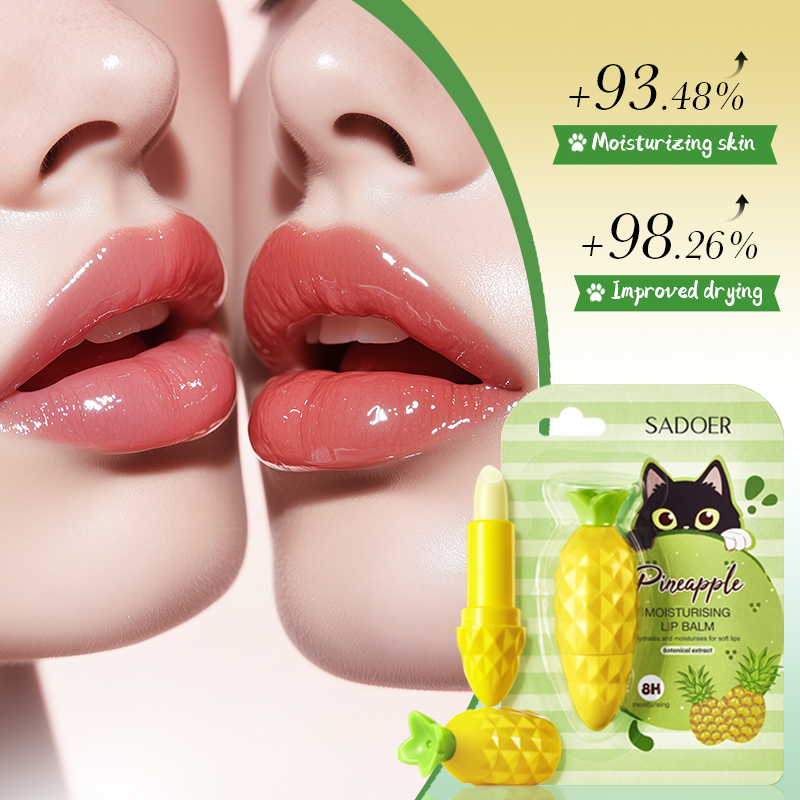
Understanding the Hydra-Nourish Effect in Fruit-Flavored Lip Balms
Defining the hydra-nourish effect: Combining deep hydration and nutrient delivery through fruit-derived actives
What we call the hydra nourish effect is basically how some modern lip balms work their magic by combining deep hydration with actual nutrients getting into the lips. These products aren't just about creating a protective layer like regular balms do. Instead they contain stuff like natural oils, those helpful vitamins A, C and E, plus enzymes that actually get through the outer layer of our lips and help cells stay healthy. The benefit? It tackles both the obvious dry patches on the surface and fixes what's going wrong underneath too. People who suffer from persistent chapping or flaky lips often find that this kind of treatment makes a real difference because it goes beyond just masking symptoms.
Why fruit-flavored lip balms go beyond scent: The science of moisture retention and skin barrier support
Fruit flavored lip balms do more than just smell good they actually work because of real science behind them. When we look at what makes these products effective, natural fruit extracts play a big role. They have things called humectants like fructose and sorbitol that pull moisture into the skin layer, plus emollients such as mango butter and raspberry seed oil that lock that moisture in place. Some formulations go even further by including antioxidants found in fruits, stuff like ellagic acid and flavonoids. These help fight damage caused by sun exposure and city pollution while helping maintain healthy lip oils. What this creates is a kind of protective layer on the lips that keeps them hydrated without causing irritation often seen with heavy petroleum based products.
Natural vs. synthetic: How fruit-based formulations enhance lip health more effectively
Natural fruit ingredients work better with our bodies than synthetic additives or isolated chemicals. These fruits contain all sorts of beneficial compounds like fatty acids, polyphenols, and other helpful substances that actually resemble what's found in healthy skin tissues. This similarity helps the body absorb them more effectively and makes them work better overall. Studies published in reputable journals have found that compounds from real fruits can be absorbed up to 40% better than lab-made versions according to Dermatology Review from last year. Better absorption means these ingredients penetrate deeper into the skin, cause fewer allergic reactions, and keep moisture locked in for longer periods. When skin gets proper nourishment this way, it maintains its protective barrier naturally without needing lots of artificial preservatives or chemical stabilizers to stay effective.
Key Fruit Extracts and Their Skincare Benefits in Lip Balms
Moisture-rich extracts: Banana, mango, and pomegranate for intense hydration
When it comes to skin hydration, banana, mango, and pomegranate extracts really work well together. Banana extract brings potassium and B6 vitamins which help calm irritated skin and keep it feeling smooth. Mango butter is super moisturizing thanks to those phyto compounds that actually strengthen the skin's natural protective layer. The pomegranate part gets interesting too. When standardized properly, it contains these special compounds called punicalagins that boost moisture retention in two ways: first by encouraging our skin to produce more ceramides, and second by slowing down how fast water escapes from our skin cells. What we end up with is this layered approach to hydration where the skin feels refreshed on the surface but also stays hydrated deeper down in the layers where it matters most.
Antioxidant powerhouses: Blueberry, cranberry, and amla for protecting delicate lip tissue
When it comes to protecting lips from damage, blueberries, cranberries, and amla (also known as Indian gooseberry) stand out as some of nature's best sources for antioxidants that specifically target lip protection. Studies show blueberry extracts contain anthocyanins which help cut down on inflammation around the mouth area and actually support the body's natural collagen balance according to research published in the Journal of Cosmetic Dermatology last year. Cranberries bring their own set of benefits too through compounds called proanthocyanidins that stop certain enzymes from breaking down collagen over time. Then there's amla, this little fruit packs a punch with vitamin C content that can be twenty times higher than what we find in regular oranges. This means amla not only strengthens our body's internal defense system against free radicals but also improves blood flow to the lips. People who incorporate these ingredients regularly often notice their lips stay fuller looking longer, maintain better coloration, and generally withstand harsh weather conditions and other environmental stressors much better than before.
Gentle exfoliation and renewal: Natural AHAs and enzymes from strawberry and citrus extracts
Strawberry and citrus extracts work wonders for sensitive lip skin through their gentle exfoliating properties. Strawberries naturally contain salicylates plus those helpful proteolytic enzymes that break down the sticky connections between dead skin cells. Citrus fruits bring their own benefits too, with citric and malic acids acting like mild AHAs (alpha hydroxy acids) that speed up cell renewal without damaging the skin's protective layer. These plant-based ingredients are much kinder than harsh scrubs which can irritate delicate lip areas. With regular use, lips tend to look smoother and more evenly toned. The exfoliation process actually helps with hydration because it removes those dry, flaky patches that block moisturizers from getting deep into the skin where they're needed most.
Essential Moisturizing and Nourishing Ingredients That Boost Performance
Base emollients: Shea butter, beeswax, and plant oils that lock in moisture
Good fruit infused lip balms start with the right mix of base emollients. Shea butter in its unrefined form brings along oleic and stearic acids plus allantoin which helps soothe dryness and irritation. Beeswax creates this protective film over lips that stops moisture from escaping while still letting them breathe naturally. Then there are those cold pressed oils like jojoba oil that works similarly to our skin's own oils, and rosehip seed oil packed with linoleic acid for repairing damaged lip barriers and reducing redness or irritation. All these basic components actually help keep the fruit extracts working properly instead of just sitting around smelling nice but doing nothing real.
Synergy in formulation: How nourishing agents amplify the benefits of fruit extracts
The real magic of hydra-nourishing formulas comes when all the ingredients work together just right. Ingredients like glycerin and those smaller molecular hyaluronic acids pull moisture right into the lips, creating a base that helps absorb those powerful antioxidants and enzymes from fruits much better. The thicker, creamier bases in these products also help keep certain plant-based actives on the skin longer. Think about pomegranate's ellagitannins or blueberry anthocyanins - they need time to work their stuff. When everything is balanced properly, people notice real differences. Independent tests have shown better hydration levels, less flaking, and faster healing of damaged skin barriers. That's not just marketing talk either; it's actual science backed by real-world results.
Consumer Appeal and Market Trends in Fruit-Flavored Lip Balms
Top-selling flavors: Cherry, coconut, watermelon, and their sensory allure
When it comes to favorite flavors, cherry, coconut, and watermelon consistently top the charts across all age groups because they just feel right. Cherry brings back memories of childhood treats and sugary goodness. Coconut adds that rich, creamy texture people love along with hints of beach vacations and warm weather. Watermelon? It's basically summer in a bottle with its fresh, juicy quality that cools things down instantly. What makes these work so well is how they fit into what customers want nowadays from products labeled as natural. Most folks now link real fruit tastes to ingredients that come straight from nature rather than labs. According to recent surveys, around two thirds of people pick fruit flavored balms mainly because applying them feels good on the skin. And this matters a lot since when something feels pleasant during use, people tend to stick with it longer and actually stay hydrated throughout the day.
The role of flavor experience in daily lip care: Bridging enjoyment with skincare efficacy
The flavor in lip products really makes a difference. Research indicates that people who use fruit flavored balms tend to apply them about 2.3 times more often compared to when they use plain versions, which helps keep lips moisturized longer and builds better protection against environmental factors. This creates kind of a cycle where applying becomes something enjoyable rather than just another chore, especially helpful for folks dealing with persistent dryness issues or recovering from treatments like laser work. More and more skin doctors are starting to suggest these fruity options because they sit well on sensitive skin while offering multiple benefits at once. What was once just considered a nice to have item now stands as an important part of proper skincare routines, combining pleasant sensations with actual medical effectiveness.
FAQ
What is the hydra-nourish effect in fruit-flavored lip balms?
The hydra-nourish effect refers to the combination of deep hydration and nutrient delivery through fruit-derived actives, allowing lip balms to tackle both surface dryness and underlying lip health issues.
How do fruit-flavored lip balms benefit the lips?
Fruit-flavored lip balms use natural fruit extracts that contain humectants and emollients, which help retain moisture and support the skin barrier, protecting lips from environmental damage.
What are some key fruit extracts used in lip balms?
Banana, mango, and pomegranate extracts are used for hydration, while blueberry, cranberry, and amla provide antioxidant protection. Strawberry and citrus extracts offer gentle exfoliation for sensitive lip skin.
Why is natural better than synthetic in lip balms?
Natural fruit ingredients resemble healthy skin tissues, leading to better absorption and fewer allergic reactions, while maintaining moisture for longer periods as compared to synthetic additives.
What are popular fruit flavors in lip balms?
Popular flavors include cherry, coconut, and watermelon, which are favored for their sensory allure and connection to natural ingredients.
Table of Contents
-
Understanding the Hydra-Nourish Effect in Fruit-Flavored Lip Balms
- Defining the hydra-nourish effect: Combining deep hydration and nutrient delivery through fruit-derived actives
- Why fruit-flavored lip balms go beyond scent: The science of moisture retention and skin barrier support
- Natural vs. synthetic: How fruit-based formulations enhance lip health more effectively
- Key Fruit Extracts and Their Skincare Benefits in Lip Balms
- Essential Moisturizing and Nourishing Ingredients That Boost Performance
- Consumer Appeal and Market Trends in Fruit-Flavored Lip Balms