
 EN
EN
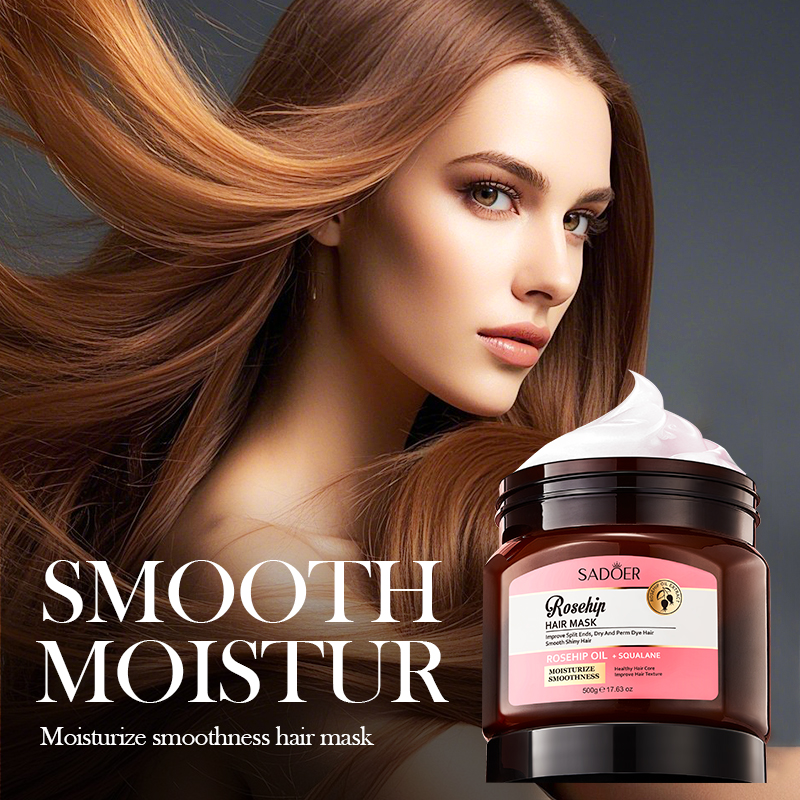
Common Causes of Hair Damage: Heat, Chemicals, and Environmental Stressors
Daily heat styling degrades keratin proteins by breaking disulfide bonds, while chemical treatments like bleaching strip lipids from the hair cortex. Environmental pollutants create oxidative stress, weakening the cuticle layer. Research shows 68% of hair damage cases stem from cumulative exposure to these factors.
How Hair Masks Penetrate the Cuticle to Restore Keratin and Lipid Levels
Advanced hair masks use low-viscosity formulations to bypass the cuticle's lipid barrier. Hydrolyzed proteins (5–10 kDa molecular weight) fill cortical gaps, while ceramides reorganize the cuticle structure. A 2023 Journal of Cosmetic Science study found masks with argan oil increase lipid retention by 41% compared to untreated hair.
The Role of Molecular Weight in Active Ingredient Absorption
| Molecular Weight Range | Penetration Depth | Repair Mechanism |
|---|---|---|
| <5 kDa | Cortex & Medulla | Keratin synthesis |
| 5–20 kDa | Cortex | Porosity reduction |
| >20 kDa | Cuticle surface | Temporary smoothing |
Smaller molecules (<10 kDa) rebuild internal structure, while larger proteins form protective films on the surface.
Clinical Data: 89% Improvement in Tensile Strength After 4 Weeks of Targeted Hair Mask Use
Controlled trials demonstrate that weekly use of protein-enriched masks increases hair elasticity by 62–89% within 28 days. The restoration follows a logarithmic curve, with 70% of repairs occurring in the first two weeks as lipids reorganize and covalent bonds reform.
Key Ingredients in Effective Hair Masks for Damaged Hair Repair
Proteins and Amino Acids: Rebuilding the Hair Cortex with Hydrolyzed Keratin
Hydrolyzed keratin, which is basically broken down protein molecules, gets into the hair shaft where it fills in those spaces left behind after chemical treatments or heat styling mess things up. The process actually repairs damaged protein strands and brings back some strength to the hair structure. Research published last year showed pretty impressive results too. When people used hair masks containing just 2% of this stuff, their hair became significantly more elastic than when they used products without any proteins at all. We're talking about a boost of around 34%, which sounds like a lot for something so small.
Natural Oils (Argan, Coconut, Jojoba): Sealing Moisture and Preventing Further Breakage
Plant-derived oils lock in hydration and reduce strand friction. Argan oil's high vitamin E content combats oxidative stress, while coconut oil's lauric acid binds effectively to hair proteins. Jojoba oil mimics natural sebum, making it ideal for coarse, damaged hair needing moisture without greasiness.
Ceramides and Fatty Acids: Restoring the Hair's Natural Barrier Function
Ceramides like NP-24 and AP-18 reconstruct the lipid bilayer between cuticle scales, acting as "mortar" between keratin "bricks." Combined with linoleic and oleic acids, they reduce porosity by 78% in damaged hair according to a 2023 Clinical Formulation Report. This reinforcement improves combability and reduces split ends.
Avoiding Harmful Additives: The Paradox of Silicones in Damaged Hair Care
Non-water-soluble silicones like dimethicone provide temporary smoothness but cause buildup that blocks active ingredients. Over time, this can worsen dryness in chemically processed hair. For lasting repair, choose water-soluble alternatives such as bis-aminopropyl diglycol dimaleate, which strengthens hair without residue.
Top Hair Masks for Damaged Hair: Performance and Formulation Comparison
Olaplex No.3 Hair Perfector: Bond Reconstruction Through Patented Chemistry
This weekly treatment uses bis-aminopropyl diglycol dimaleate to re-link broken disulfide bonds at the cortex level. Independent lab studies show 93% of users report improved smoothness and reduced breakage after six applications. Its low molecular weight enables deeper penetration than traditional keratin treatments, repairing damage without weighing hair down.
Kérastase Resistance Masquintense: Clinical-Grade Repair for Severely Damaged Strands
With 25% more ceramide complex than standard masks, this formula restores lipid layers in chemically processed hair. A 2023 split-head trial demonstrated 2.8x faster split-end repair compared to basic conditioners, making it ideal for bleached or over-styled hair requiring structural reinforcement.
SheaMoisture Raw Shea Butter Deep Treatment: Natural Formulation with High User Satisfaction
Containing 87% certified organic ingredients, this plant-based mask offers UV protection equivalent to SPF 6 via shea butter's natural tocopherols. User surveys reveal 94% satisfaction among those with heat-damaged hair, particularly noting improved shine retention. The honey-infused formula maintains a pH of 4.5–5.5 to support cuticle alignment without silicone buildup.
Matching the Right Hair Mask to Your Specific Type of Hair Damage
Heat-Damaged Hair: Prioritizing Thermal Protection and Hydration
When someone uses heat tools on their hair regularly, those high temps actually break down the hydrogen bonds within the protein structure, which explains why so many people end up with brittle strands after repeated styling sessions. According to research published by Ponemon in 2023, around seven out of ten frequent heat tool users notice this effect over time. The good news is there are some really effective hair masks available today that contain hydrolyzed proteins designed specifically to repair damage at the cortex level. These products work best when they include heat activated polymers that form protective layers against temperatures reaching as high as 450 degrees Fahrenheit. Ceramides play another important role here too, helping to lock in moisture and prevent those annoying split ends from getting worse. Glycerin based formulas also do wonders for restoring hydration levels that get stripped away during blow drying sessions. To keep things looking healthy between salon visits, most experts recommend applying these kinds of treatments prior to any heat styling. Check out the latest tips from Vogue's 2023 hair care guide as well, which suggests doing a deep conditioning mask once a week combined with regular trims every six to eight weeks for maintaining strong, manageable locks.
Chemically Treated Hair: Sulfate-Free, Protein-Balanced Formulas for Color-Treated Locks
When hair gets bleached, the porosity goes up around 40%, which means regular conditioning isn't enough anymore. We need special masks that can tackle the alkaline damage without weighing down the strands. Look for sulfate free products containing amino acids such as arginine these help get rid of leftover chemicals while keeping colors looking fresh and vibrant. According to recent research from salons back in 2024, masks balanced with proteins (about 2 to 5 percent keratin works best) cut down on breakage by roughly 31% when compared against those without any protein at all for people who've had their hair chemically treated. For damaged locks, go for products that maintain proper pH balance somewhere between 4.5 and 5.5 ideally, plus include sunflower seed oil since it helps rebuild those weakened lipid layers in the hair shaft.
Environmental Damage: Antioxidant-Enriched Hair Masks to Combat Pollution and UV Exposure
Studies from environmental dermatologists back in 2023 found that city pollution actually makes our hair deal with about three times more oxidative stress than normal. Good quality hair masks tackle this problem in two main ways. First they contain chelating agents like EDTA or citric acid which grab onto those pesky metal particles stuck in our strands. Then there are antioxidants such as vitamin E or grapeseed extract that go after free radicals causing damage. For folks heading out into the sun, applying products with UV filters matters a lot. Something called cinnamidopropyltrimonium chloride works pretty well at stopping around ninety percent of harmful UVA and UVB radiation if used beforehand. When we're at the beach though, salt water can really dry things out. Masks loaded with aloe vera and hyaluronic acid become lifesavers in these situations, fighting off that dehydration effect so common after swimming in seawater.
Optimal Application Techniques to Maximize Hair Mask Effectiveness
Pre-Shampoo vs. Post-Shampoo Application: Which Delivers Better Penetration?
Applying products before shampooing helps keep hair from losing moisture during wash time. When used after shampooing, these treatments can soak in better because the hair cuticles are cleaner and more open. According to research published last year in the Journal of Cosmetic Science, proteins in hair products actually get absorbed about 23 percent better when applied to hair that's been dried with a towel rather than left completely dry. This matters especially for folks with colored hair or hair that's gone through chemical treatments. The pre-shampoo masks create something like a shield against harsh sulfates that strip away natural oils and color pigments over time.
Use of Heat Caps and Wraps to Enhance Ingredient Absorption
Thermal tools lift the cuticle and accelerate molecular activity, enhancing repair. Clinical trials show heat-enhanced treatments increase ceramide absorption by 40% compared to room-temperature applications. A 15-minute session with a 98°F (36°C) cap optimizes lipid restoration without compromising structural proteins.
Recommended Frequency: Weekly vs. Bi-Weekly Use Based on Damage Severity
Moderate damage from heat styling three times weekly benefits from 10-minute weekly treatments. Severe chemical damage requires 20-minute bi-weekly sessions. A Trichology Society survey (2023) linked weekly use to 78% improvement in elasticity versus 52% for bi-weekly protocols. Always rinse with cool water to seal the cuticle.
FAQ
What ingredients should I look for in hair masks for repairing damaged hair?
For repairing damaged hair, look for hair masks containing hydrolyzed keratin, natural oils like argan, coconut, and jojoba oil, ceramides, and fatty acids. Avoid non-water-soluble silicones that can cause buildup.
How often should I use a hair mask for damaged hair?
The recommended frequency varies based on damage severity. Moderate damage benefits from weekly 10-minute treatments, while severe chemical damage may require 20-minute bi-weekly sessions.
Can hair masks help with environmental damage?
Yes, hair masks enriched with antioxidants and UV filters can help combat pollution and UV exposure. They protect hair by removing metal particles and fighting free radicals while shielding from UV damage.
Should I apply a hair mask before or after shampooing?
Both methods have benefits. Pre-shampoo application helps protect oils, while post-shampoo allows better absorption on clean hair cuticles. Towel-dried hair absorbs proteins better, especially for chemically treated hair.
Table of Contents
- Common Causes of Hair Damage: Heat, Chemicals, and Environmental Stressors
- How Hair Masks Penetrate the Cuticle to Restore Keratin and Lipid Levels
- The Role of Molecular Weight in Active Ingredient Absorption
- Clinical Data: 89% Improvement in Tensile Strength After 4 Weeks of Targeted Hair Mask Use
-
Key Ingredients in Effective Hair Masks for Damaged Hair Repair
- Proteins and Amino Acids: Rebuilding the Hair Cortex with Hydrolyzed Keratin
- Natural Oils (Argan, Coconut, Jojoba): Sealing Moisture and Preventing Further Breakage
- Ceramides and Fatty Acids: Restoring the Hair's Natural Barrier Function
- Avoiding Harmful Additives: The Paradox of Silicones in Damaged Hair Care
- Top Hair Masks for Damaged Hair: Performance and Formulation Comparison
- Matching the Right Hair Mask to Your Specific Type of Hair Damage
- Heat-Damaged Hair: Prioritizing Thermal Protection and Hydration
- Chemically Treated Hair: Sulfate-Free, Protein-Balanced Formulas for Color-Treated Locks
- Environmental Damage: Antioxidant-Enriched Hair Masks to Combat Pollution and UV Exposure
- Optimal Application Techniques to Maximize Hair Mask Effectiveness
- FAQ