
 EN
EN
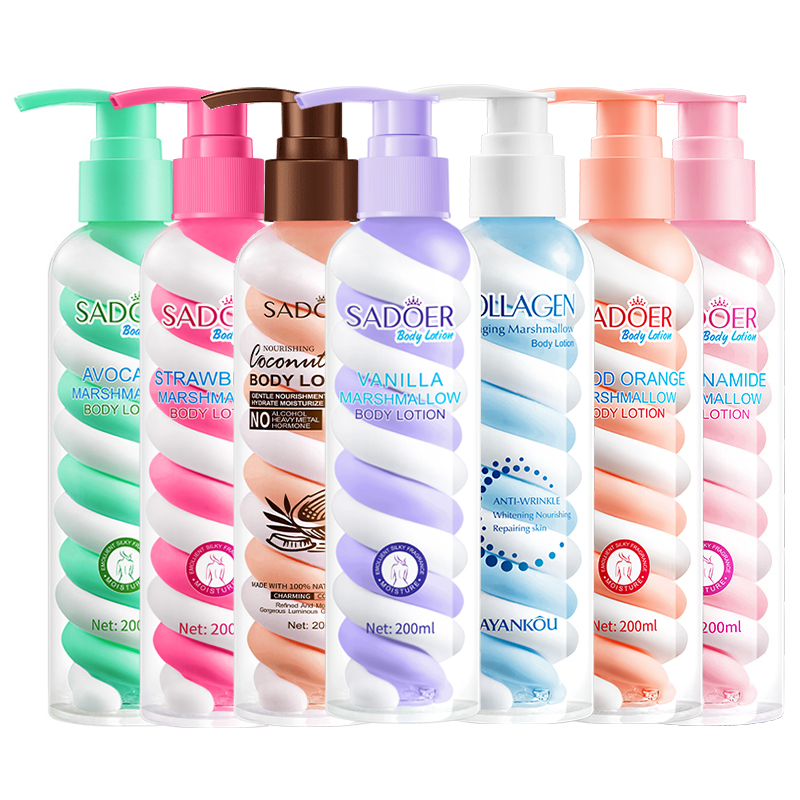
The Science Behind Nourished, Brighter-Looking Skin
Why nourishment and brightening must work together
Getting that glowy skin look takes two things working together: good nourishment and actual brightening agents. When skin stays hydrated and has strong defenses, it actually soaks up those brightening products much better. Dry or damaged skin tends to get irritated easily, sometimes even inflamed, and this can lead to more melanin being produced by the body. That's basically what makes skin darker in spots, undoing all the work from brightening treatments. Keeping skin properly fed helps maintain its strength, so when we apply these active ingredients they do their job right instead of making the skin sensitive or breaking down the protective layer over time.
Understanding dull skin: barrier health, hydration, and melanin activity
When skin looks dull, it usually comes down to three main issues working together: damaged skin barrier, not enough moisture, and irregular melanin spread throughout the skin. The skin's natural barrier keeps things in and bad stuff out, holding onto water so our skin stays hydrated and bouncy. Without proper hydration, skin loses that nice fullness that makes it look radiant. Studies in dermatology journals point to dry skin speeding up wrinkles and making skin more reactive to irritants, which complicates any efforts at brightening treatments. Then there's the whole melanin thing too. When melanin isn't distributed properly across the skin surface, that flat, tired look just gets worse. Good body lotions need to tackle each of these problems head on. Look for products that repair the skin barrier with rich moisturizers, really soak in water deep into the layers, and contain gentle ingredients that help even out melanin production for better overall results.
Key Ingredients in Brightening Body Lotions
Niacinamide: improves tone, texture, and strengthens the skin barrier
Niacinamide, which is basically vitamin B3 in its stable form, has become pretty much essential in body lotions aimed at nourishing and brightening skin. This ingredient works wonders because it helps reduce inflammation, boosts skin elasticity, and strengthens the skin's protective barrier, which is really important since this barrier prevents our skin from losing moisture and looking dull. According to research done in labs, people often notice improvements in their skin tone and texture after just a few weeks of using products with niacinamide. The reason? It stops melanosome transfer, which sounds complicated but basically means it blocks those little pigment packages from getting deposited into skin cells. What makes niacinamide so great is how well it works across different skin types and plays nicely with other active ingredients too, making it something most folks can incorporate into their daily skincare routine without worrying about irritation or conflicts.
Alpha arbutin and kojic acid: inhibit melanin production safely
When it comes to skin brighteners available without a prescription, alpha arbutin and kojic acid stand out as two of the better options that actually work without causing much redness or sensitivity. Alpha arbutin comes from those little bearberry plants and slowly fades away those pesky dark spots because it gets in there and messes with tyrosinase, which is basically what makes our bodies produce melanin. Kojic acid isn't far behind either. This stuff is made when fermenting rice, and while it does similar things to lighten skin tones, it also brings along some extra antioxidants for good measure. Looking at studies published around 2022 in something called the Journal of Cosmetic Dermatology, researchers noticed that products mixing both these ingredients with nice moisturizing bases tended to make hyperpigmentation issues better over time, all while keeping irritation at bay. For people who want their skin to look brighter but don't fancy going through chemical peels or other aggressive methods, this combination seems like a smarter bet for long term results.
Vitamin C derivatives and turmeric: antioxidant-powered radiance
When it comes to getting that glowing skin through antioxidants, vitamin C derivatives work wonders alongside turmeric. Most body lotions actually use stable forms of vitamin C like sodium ascorbyl phosphate or tetrahexydecyl ascorbate instead of straight L-ascorbic acid. Why? Because these versions don't oxidize so easily in big jars that get opened all the time, plus they're kinder to our skin. What happens next is pretty cool stuff. These vitamin C forms tackle those pesky free radicals caused by sun damage and city smog, which we all know makes skin look tired and dull. They also mess with melanin production, which means fewer dark spots and patches. Then there's turmeric, packed with curcumin, that does double duty fighting inflammation while boosting antioxidants. This helps soothe irritated skin and gives that natural healthy glow everyone wants. To really see results though, these ingredients need to be mixed into a good base formula that keeps them stable and working properly over time.
Formulation challenges: stability and efficacy of brightening actives in body lotions
Creating a good brightening body lotion is all about getting the right mix between keeping actives stable, making sure they work well, and creating something people actually want to use. Body lotions aren't like those fancy facial serums that sit in tiny dark bottles. They usually come in bigger containers that get opened and closed multiple times, letting in air and light which can ruin delicate stuff like vitamin C over time. The skin on our bodies is also thicker than face skin, so getting ingredients to penetrate properly requires some smart formulation tricks and just the right concentration levels. The best products solve these problems through stabilized versions of active ingredients, better sealed packaging options, plus a rich base made from moisturizing oils and protective agents that help maintain skin's natural defenses while boosting that brightening effect we're all after.
Nourishing Components That Enhance Brightening Results
Humectants like glycerin and hyaluronic acid for hydrated, plump skin
Glycerin and hyaluronic acid work wonders for achieving that glowing complexion by pulling water right into the outer layer of skin, giving it that nice full look without any dry patches. When skin stays properly moisturized, it actually bounces back light better which makes faces appear brighter overall while those little wrinkles seem less noticeable too. Some research shows that when skin is really well hydrated, it can reflect around 30 percent extra light compared to when it's parched. That's why most brightening creams include these humectants in their formulas. Plus, they help other ingredients get deeper into the skin where they can tackle pigmentation issues over time, so there's both an instant radiance boost plus gradual improvements in skin tone consistency as well.
Emollients and occlusives: shea butter, cocoa butter, and plant oils for lasting moisture and glow
Humectants work by drawing water into the skin, while emollients and occlusives such as shea butter, cocoa butter, and various plant oils help keep that moisture locked in place. They create something like a shield on the surface that stops water from escaping and keeps the skin feeling soft and supple. This protective layer matters a lot when it comes to getting those brightening effects we all want. Without proper protection, our skin gets easily irritated and might start producing more melanin than normal. Many of these moisturizing ingredients contain good amounts of fatty acids plus antioxidants too. What does that mean? Well, they give the skin a healthy glow naturally while helping cut down on how much water escapes through the outer layers of skin. When making a really good brightening cream, putting together both humectants and emollients makes sense because it helps maintain hydration levels all day long so the skin looks better and feels stronger against everyday stressors.
Choosing the Right Body Lotion for Your Skin Type
Tailoring formulas to oily, dry, and sensitive skin needs
Finding the perfect body lotion really comes down to knowing what works for different skin types so it can properly nourish and give that nice glow. For folks with dry skin, look for products packed with heavy moisturizers such as shea butter or hyaluronic acid since they soak into the skin and fix those cracked areas. People who struggle with oily skin should go for lighter lotions marked as non-comedogenic because these won't block pores or leave behind that shiny residue after application. Those with sensitive skin need to be extra careful though fragrance free stuff is definitely better, plus something with calming ingredients like colloidal oatmeal helps prevent redness and itching. And if someone has combination skin where parts get dry while others stay oily? A middle ground product usually works best, giving enough moisture where needed but not feeling too thick on the face or neck area.
Avoiding irritants and identifying red flags in ingredient lists
Checking ingredient lists is really important when trying to keep skin healthy and achieve those brightening results we all want. Avoid stuff like alcohol denatured, fake smells, and strong sulfates because these can mess with the skin's natural balance and actually make things worse over time. People with sensitive skin should be extra careful about products containing lots of essential oils or chemical exfoliators such as AHAs since these might trigger unwanted reactions. When shopping, watch out for products labeled non-comedogenic, fragrance free, or tested by dermatologists these are good signs but not foolproof. And remember what works for one person might not work for another. That's why doing a patch test on a small area first is still probably the best way to spot possible problems before applying something all over the body.
FAQ
What causes dull skin?
Dull skin typically results from a damaged skin barrier, insufficient moisture, and irregular melanin distribution across the skin surface.
How does niacinamide benefit the skin?
Niacinamide improves skin tone and texture, reduces inflammation, boosts elasticity, and strengthens the skin barrier by preventing moisture loss.
Why are vitamin C derivatives preferred over L-ascorbic acid?
Vitamin C derivatives like sodium ascorbyl phosphate and tetrahexydecyl ascorbate are preferred because they are more stable and less likely to oxidize when exposed to air and light.
What are humectants and why are they important?
Humectants like glycerin and hyaluronic acid attract water into the skin, maintaining hydration which enhances skin brightness and reduces wrinkles.
How can I select the right body lotion for my skin type?
The right body lotion should be tailored to your skin type: heavy moisturizers for dry skin, lighter non-comedogenic formulas for oily skin, and fragrance-free lotions with calming ingredients for sensitive skin.