
 EN
EN
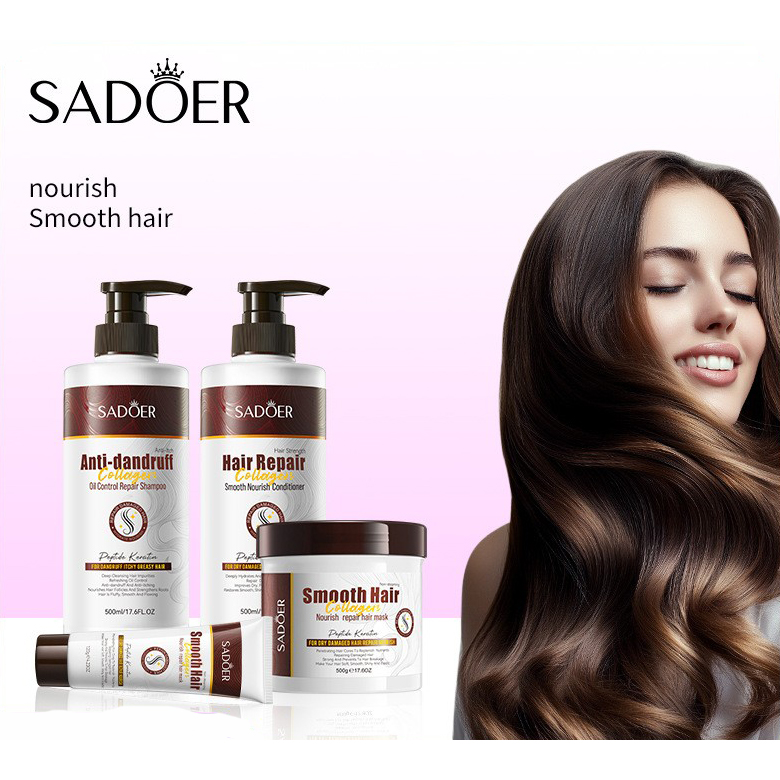
Understanding Damaged and Frizzy Hair: Causes and Scientific Principles
Why Hair Becomes Damaged and Frizzy: The Role of the Hair Cuticle
The cuticle is basically the shield covering each individual hair strand, and it plays a big role in keeping hair smooth while holding onto moisture. If this outer layer gets damaged or starts lifting up, it leaves the inner part of the hair exposed. That makes the hair much more likely to lose moisture and get stressed out from things like pollution or harsh weather conditions. When the cuticle isn't doing its job properly, humidity can actually seep into the hair shaft. This causes the hair to swell up, the cuticle scales become misaligned, and everyone's least favorite problem appears - frizzy hair, especially when there's lots of moisture in the air. Hair with a weak cuticle tends to feel dry and brittle, breaks more easily, loses its shine, and becomes really hard to style. These issues are at the heart of almost every frizz problem people deal with on a daily basis.
How Heat Styling, Chemical Processing, and Overwashing Damage Hair
Everyday hair styling routines tend to speed up cuticle damage without us even realizing it. Flat irons and blow dryers really take a toll on hair by drying out moisture levels and messing with those important keratin bonds. Chemical processes like bleaching or going blonde permanently actually change how proteins are arranged in the hair shaft and wear away at the protective cuticle layer. Washing hair too often just makes things worse because it washes away sebum, which is basically our scalp's own conditioner that keeps strands healthy. Hair doctors have observed that constant brushing, wearing styles that pull tightly on the head, and rubbing hair roughly with towels all pile onto existing damage over time. All these things working together form a damaging pattern that makes hair more porous, resulting in annoying frizz, pesky split ends, and hair that doesn't stretch or bounce back like it used to.
Moisture Loss and Frizz: The Science of Hydration in Hair Fibers
When hair gets damaged, it tends to become overly porous. Think of it like a sponge that soaks up water from the air when it's humid, but can't hold onto that moisture for long. What happens next? The hair shaft swells in an uneven way, which messes up the cuticles and leads to all that annoying frizz we see. Damaged strands also lose their natural oils and ceramides these are basically what keep our hair moisturized and strong. Without them, hair feels drier and just doesn't bounce back as well. Good conditioning treatments need to tackle two main things at once bringing back hydration deep down in the strand while also smoothing out those cuticles to create a protective shield against outside elements. Products that do this right will gradually make hair look smoother, less frizzy, and generally healthier looking after repeated use.
Key Ingredients in Conditioners That Repair Damage and Tame Frizz
Hydrolyzed Keratin and Rice Protein: Strengthening Damaged Hair
When hair starts losing its proteins, it becomes brittle and breaks easily. That's why many damaged strands feel so weak at the ends. Hydrolyzed keratin works differently than regular keratin products because it has smaller molecules that actually get into the hair shaft where damage occurs. This helps strengthen those fragile spots and brings back some much needed resilience. Rice protein plays another role here too. It makes hair more flexible while also smoothing out the surface so individual strands don't rub against each other as much during styling or brushing. These two proteins working together do wonders for fixing microscopic cracks in the hair structure, cutting down on those annoying split ends we all dread. Most importantly, they create a protective barrier against whatever stresses our hair faces next, which means healthier looking locks over time for anyone dealing with seriously damaged tresses.
Ceramides, Shea Butter, and Murumuru Butter: Restoring Moisture Barrier
When hair gets all frizzy and flyaway, it's usually because something is wrong with the natural oil barrier on the strands. Ceramides are those good-for-you fats that exist naturally in healthy hair follicles. They basically help seal up the outer layer of each strand so moisture stays put instead of escaping into the air when humidity hits. Products containing shea butter work wonders here too. This stuff comes from African shea trees and has been used for ages to soften skin and hair alike. Murumuru butter adds another layer of protection since it contains lots of saturated fats that get absorbed deep into damaged areas where other products might not reach. Together, these ingredients bring back that silky feel, give hair some much needed shine, and keep it hydrated throughout the day without feeling greasy or weighed down. That's why many people find their locks become easier to brush through after regular use, especially if they've had problems with split ends or brittle texture caused by heat styling tools.
Coconut Oil and Biotin: Nourishment and Softness for Frizzy Strands
What makes coconut oil so special for hair? It actually gets into the hair shaft itself, which means it can really hydrate from within while keeping proteins from washing away. The reason it works so well is because coconut oil molecules are small enough to slip through the hair cuticle and bind directly to the proteins inside each strand. When paired with biotin, also known as vitamin B7, things get even better over time. Biotin helps build keratin, the main protein in hair, leading to stronger, healthier strands. Many people notice these benefits when using products containing both ingredients in their conditioner routine. Hair tends to stay moisturized longer, those annoying flyaways become less frequent, and overall the hair looks smoother and feels more resilient after repeated use.
Natural vs. Synthetic Ingredients: Efficacy in Hair Repair Conditioners
When it comes to fixing damaged hair, both nature's offerings and lab-made substances bring something valuable to the table. Think about those rich plant butters and oils we all know – they really soak into the strands and tend to be gentler on folks with sensitive scalps. Then there's stuff like dimethicone, which works almost instantly to make hair feel smoother, protect against heat damage, and tame flyaways by creating this thin film across each strand. But watch out for certain silicones that build up over time and might actually prevent moisture from getting where it needs to go. The best products usually mix these approaches together. Natural elements work their magic slowly to improve overall hair health while synthetic additives give that quick fix for daily styling needs. This combination tends to cover all bases without compromising what matters most in hair care results.
Best Conditioner Formulas for Damaged and Frizzy Hair: Expert Insights
Deep Conditioners: How They Restore Hair Strength and Smoothness
Deep conditioners go past the outer layer of hair straight into the cortex where they fix structural issues and bring back much needed moisture. Damaged hair often has an open cuticle which lets all the hydration escape, making strands feel rough and look frizzy. The best deep treatments pack in goodies like shea butter, coconut oil, and argan oil that really soak into the hair shaft and calm down those raised cuticles. For extra strength, many products contain protein based on hydrolyzed keratin. This stuff works its way into the hair's core, plugging holes and making hair more flexible so it breaks less easily. People who use these treatments regularly notice their hair starts looking healthier over time as the internal structure gets rebuilt. Plus there's this nice protective coating that forms, giving hair better shine, softer texture, and helping it stand up against things like pollution and humidity.
Top-Rated Repair Conditioners: Clinical Evidence and Consumer Results
What makes really good repair conditioners work so well? They mix ingredients that actually do something with results people can see. Tests have shown that top products can boost hair strength around 80% after using them about 8 to 12 times, which cuts down on breakage quite a bit. Most of these formulas contain hydrolyzed proteins that get into the hair shaft to strengthen it from inside out, while also adding natural oils on top to smooth things over. Real users report noticeable changes too. After just a month of regular application, many folks notice about 60% less frizz happening, their hair looks shinier overall, and there are definitely fewer split ends popping up. These aren't just lab results either they hold up pretty well when used day to day in everyday life situations.
Silicone-Free and Clean Beauty Trends in Conditioner Innovation
Silicone free and clean beauty is becoming increasingly popular among people looking for healthier hair care options. Traditional silicones gave hair that smooth look right away, but over time they tended to build up on strands and actually made it harder for moisture to get through properly. Today's alternatives rely on natural emollients like murumuru butter from Brazil and babassu oil, which give hair that same silky feel and glossy finish without leaving behind any greasy residue. What sets these clean formulas apart is their focus on what goes into them and how they affect the scalp health. Instead of just masking problems with temporary coatings, they work at repairing damage from within. As more consumers gravitate towards these cleaner products, we're seeing all sorts of innovations in plant based ingredients that tackle frizz instantly while also improving hair quality over months of regular use.
Natural and DIY Conditioners: Effective Solutions for Frizzy Hair Control
Coconut Oil and Banana Masks: At-Home Treatments for Dry Hair
For people dealing with frizzy hair, homemade treatments using things like coconut oil and banana masks can be both easy to get and really good for the hair. Coconut oil works great because it actually gets into the hair strand itself, which means it hydrates from the inside out. Some studies suggest it might cut down on frizz caused by dryness by around 30 percent. Mix that with bananas, which pack potassium, natural oils, and all sorts of vitamins, and suddenly you've got yourself a pretty powerful hair mask. This combo helps flatten the hair cuticle and brings back nutrients that many store bought products just don't contain. People who apply this mask once a week usually notice their hair feels softer and looks shinier overall, especially if they're trying to avoid chemicals altogether.
Apple Cider Vinegar Rinse: Balancing Scalp pH and Reducing Frizz
Rinsing hair with apple cider vinegar (ACV) does wonders for clearing up the scalp and bringing back that natural pH balance we all need. The human scalp typically has a pH level hovering around 5.5, but many shampoos mess this up. ACV comes in handy here since it's pretty acidic, sitting at about pH 2 to 3. When used after washing, it actually helps shut those hair cuticles tight, making strands feel smoother and look shinier too. No more frizz! Plus, it gets rid of all that gunk from styling products that just sits there, weighing hair down and causing those pesky flyaways. Most people find good results using ACV rinses once per week or so. This regular treatment makes hair easier to work with while keeping the scalp healthy without drying out the natural oils our heads produce.
Challenges of Natural Formulations: Shelf Life vs. Effectiveness
Natural remedies and DIY treatments definitely have their green appeal, but let's face it, there are real world issues too. Those fresh blends made from avocados, bananas, or plain old yogurt? They usually go bad within just two or three days. Commercial products sit on shelves for years without spoiling. Another thing people often overlook is that when making stuff at home, the strength of active ingredients can vary wildly between batches. One day it works wonders, the next day it does nothing. For folks who want to avoid chemicals in their skincare routine, this tradeoff matters a lot. People with sensitive skin or those following strict minimalist beauty routines need to think carefully about whether the environmental benefits outweigh these practical challenges.
Building a Hair Repair Routine: Long-Term Conditioning Strategies
Weekly Deep Conditioning for Sustained Damage Protection
Doing a deep conditioning treatment once a week really helps fix hair over time. Regular conditioners just sit on top of the hair shaft, but these deeper treatments actually get into the core where they can replace missing proteins and oils that make hair strong again. To get the most out of it, smear some good quality mask onto damp hair after toweling off excess water. Let it sit there for about 15 to maybe even 30 minutes depending on how dry your hair feels before washing it all away. People who stick with this kind of routine tend to notice stronger strands, better flexibility, and fewer splits or breaks in their hair. Some research suggests breakage drops around 30% when done regularly. Plus, this habit protects hair from things like pollution and sun damage while keeping those damaged parts from getting worse.
Layering Conditioners and Leave-Ins for Maximum Frizz Control
Using layers works best for controlling frizz because it tackles different parts of what makes hair healthy. Begin with a rinse out conditioner that has hydrolyzed keratin in it. This helps fix damage from inside the strands. Then apply a leave in conditioner so the hair stays hydrated all day long. Lastly, put on something light like an oil or serum to lock in moisture and keep humidity at bay. These products each do their own thing really well. The protein stuff strengthens weakened areas, moisturizing products stop the hair from getting too dry, while those sealing products protect the outer layer. Combine them properly and suddenly there's this whole protective shield going on that makes hair smoother, shinier, and stronger without making it feel heavy or greasy.
8-Week Hair Regimen: Real Results from Consistent Conditioning
Hair health really starts to show improvement after sticking with an 8 week plan that follows different stages of conditioning. The first couple weeks are all about bringing back moisture with those deep treatments done twice a week when hair feels super dry. Then from week three to six, we start adding protein treatments once every other week while still keeping up with regular moisturizing sessions. The last two weeks become more about maintaining what's been achieved, switching to lighter daily conditioners but still doing those deep treatments once a week. People who stick with this routine often notice their hair breaks way less, maybe around 60% reduction according to some surveys on hair satisfaction. And honestly, consistency matters most here. Those gradual changes happen over time as damaged strands get stronger through this ongoing approach to proper care.
FAQ
What are common causes of frizzy hair?
Frizzy hair is often a result of a damaged cuticle layer that fails to lock in moisture, exposure to humidity, heat styling, chemical processing, and overwashing.
How can I reduce hair breakage?
Reducing hair breakage involves using conditioners with hydrolyzed keratin and rice protein to strengthen hair. Regular deep conditioning and gentle hair handling also help.
Are natural ingredients effective in taming frizz?
Yes, natural ingredients like coconut oil, shea butter, and murumuru butter effectively hydrate and smooth the hair, helping to reduce frizz when used consistently.
How can I maintain a healthy hair routine?
Regular deep conditioning, proper layering of hair care products, and consistent use of nourishing treatments are crucial for maintaining healthy hair.
What is the benefit of using silicone-free hair products?
Silicone-free products rely on natural emollients to provide smoothness and shine without causing buildup, allowing for better moisture penetration and scalp health.
Table of Contents
- Understanding Damaged and Frizzy Hair: Causes and Scientific Principles
- Key Ingredients in Conditioners That Repair Damage and Tame Frizz
- Best Conditioner Formulas for Damaged and Frizzy Hair: Expert Insights
- Natural and DIY Conditioners: Effective Solutions for Frizzy Hair Control
- Building a Hair Repair Routine: Long-Term Conditioning Strategies
- FAQ