
 EN
EN
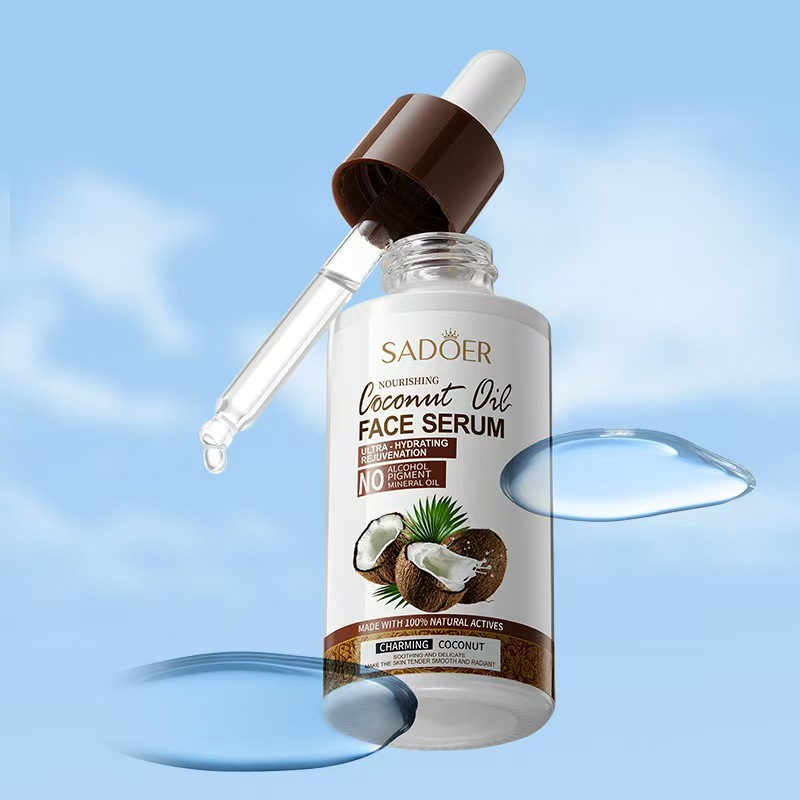
Understanding Collagen Loss and the Role of Face Serums in Anti-Aging
The science of collagen depletion: Why we lose 1% of collagen annually after age 20 (Journal of Investigative Dermatology, 2021)
Around age 25 or so, collagen production starts dropping off at roughly 1% annually, as found in a study from the Journal of Investigative Dermatology back in 2021. What does this mean? Well, skin gradually loses its youthful qualities over time. Fine lines start appearing, the skin becomes less elastic, and that plump firmness we all want just isn't there anymore. Our bodies naturally age, but things like sun damage and pollution really speed things up by boosting those MMP enzymes that break down collagen. Knowing when this happens matters because taking steps to combat aging works best when started early before our skin shows too many signs of wear and tear.
Why topical face serums are more effective than oral collagen supplements for skin rejuvenation
When it comes to reviving the skin at the surface level, topical face serums generally work better than taking collagen supplements orally. The body actually breaks down most of the ingested collagen during digestion, leaving just tiny bits that rarely make much difference in our skin's appearance. Top-quality skincare serums send their active ingredients straight to those fibroblast cells sitting in our epidermis layer and upper dermis area where all the collagen action happens. Studies have demonstrated something pretty interesting too: formulas packed with peptides, retinoids plus antioxidants boost collagen creation by around double what we get from swallowing pills. That's why many dermatologists now consider these kinds of topical treatments as the go-to solution when someone wants real changes they can see right there on their face.
Key Active Ingredients in Face Serums That Stimulate Collagen Production
Peptides: Signal vs. Carrier Peptides &mdash Clinical Evidence of +12.7% Dermal Thickness in 12 Weeks (J Drugs Dermatol, 2020)
Peptides, which are basically short strings of amino acids, work wonders when it comes to collagen production. There are different types too. Signal peptides like palmitoyl tripeptide 5 get those fibroblasts working overtime so our bodies make more collagen. Then there are carrier peptides such as copper peptides that actually deliver important stuff right into the cells where enzymes need them most. Some pretty good research came out back in 2020 from the Journal of Drugs in Dermatology showing real results after 12 weeks of regular peptide application. The skin got about 12.7% thicker overall. That kind of data really backs up why so many skincare experts now include peptides in their recommended routines for fighting signs of aging.
Vitamin C (L-Ascorbic Acid): Collagen Synthesis Cofactor and Antioxidant — Efficacy Requires 10% Concentration and pH <3.5
L-Ascorbic acid plays two important roles in skin health. First, it acts as a necessary helper molecule for enzymes called prolyl and lysyl hydroxylase, which are essential for building collagen fibers. Second, it works as an antioxidant, fighting off harmful free radicals that break down collagen over time. For this ingredient to actually work through the outer layer of skin, manufacturers need to formulate products with at least 10% concentration and maintain a pH below 3.5. Products containing properly stabilized L-Ascorbic acid offer two main advantages. They help strengthen the collagen framework in our skin while also defending against damage from environmental factors that contribute to early signs of aging. This makes it a popular choice among skincare professionals looking for effective anti-aging solutions.
Retinol (Vitamin A): Gold-Standard Collagen Booster via RAR activation — Microencapsulation Improves Tolerance and Maintains 89% Efficacy (Br J Dermatol, 2022)
When it comes to boosting collagen production on the skin's surface, nothing has been studied as thoroughly as retinol. It works by activating something called the RAR-gamma receptor, which then gets those genes responsible for collagen types I and III working overtime. Thanks to advances in how we package this ingredient, modern formulations are much gentler on the skin. These new encapsulation methods cut down on irritation issues like redness and peeling while still keeping about 89% of retinol's effectiveness intact according to research published last year in the British Journal of Dermatology. What this means for everyday users is that they can now access results typically seen only with stronger prescription products without having to put up with all the uncomfortable side effects.
Niacinamide (Vitamin B3): Enhances Fibroblast Activity and Reduces Collagen Breakdown — 5% Concentration Increases Procollagen I by 54% (Dermatol Surg, 2019)
Niacinamide helps reinforce the skin's protective barrier while reducing redness and inflammation. It also plays a role in maintaining healthy collagen levels by boosting fibroblast activity and stopping those enzymes called MMPs from breaking down existing collagen fibers. When used at around a 5% concentration, which studies have shown works best, this ingredient can actually increase the production of procollagen type I by about 54%. Research published in Dermatologic Surgery back in 2019 confirmed these effects. What makes niacinamide so appealing is how well it works alongside other active ingredients like retinol or vitamin C without causing irritation. Many skincare enthusiasts find that incorporating it into their routine allows them to layer products effectively without worrying about sensitivity issues.
Matching Anti-Aging Face Serums to Your Specific Skin Concerns
Selecting the right anti-aging face serum requires aligning active ingredients with your primary concerns—not just age or skin type. A precision approach ensures functional synergy between actives and avoids counterproductive combinations.
Fine lines and crepiness: Combining retinol and peptides — bakuchiol as a gentle alternative for sensitive skin
The appearance of fine lines and crepey skin often signals what's happening beneath the surface: collagen is breaking down and the skin's structure is thinning. When used together, retinol works alongside special peptides to boost collagen production while also triggering repair processes in the skin. Clinical studies have actually shown around 12.7% thicker skin layers after this combo treatment. People who tend to get red or irritated might want to try bakuchiol instead. This plant-based ingredient comes from nature and seems to work on similar pathways as retinoids but without all the burning and flaking. Many skincare experts now recommend starting with bakuchiol when someone wants to introduce retinoid benefits but needs something gentler on sensitive skin types.
Loss of firmness and jawline laxity: Layering collagen-boosting serums with plumping agents like hyaluronic acid
The softening of skin around the face and fading jawline definition happens because our bodies lose collagen and there's less volume in the upper layers of skin. Collagen-boosting products take time to show results since they need weeks to actually rebuild the supportive structures beneath the surface. Hyaluronic acid works differently though it gives almost instant results by hydrating the skin and making it look fuller right away as it fills those tiny gaps between cells and makes contours stand out more clearly. When people combine these two types of treatments, they get the best of both worlds one helps maintain skin structure over months while the other offers quick fixes when needed all without messing up how well either product gets absorbed into the skin.
Formulation Stability and Delivery: Why Packaging and Technology Matter in Face Serums
Preventing oxidation: Airless pumps vs. dropper bottles — vitamin C loses up to 60% potency in 7 days without stabilization
When it comes to powerful active ingredients, stability just can't be compromised. Take L-Ascorbic acid for instance. It breaks down fast when it meets oxygen or sunlight. Studies show that in bad packaging, it loses around 60% effectiveness after just seven days sitting there. That's why many products now use airless pumps which stop air from getting in during each application. Plus, manufacturers put these sensitive components into dark containers that block UV rays. Retinol and vitamin C really benefit from this protection against light damage. Some companies have gone even further with newer tech like microencapsulation and those fancy liposomal carriers. These methods do double duty actually extending how long the product stays good on shelves while helping the skin absorb the active ingredients better so they work properly once applied.
Avoiding Marketing Traps: Ineffective Ingredients Commonly Found in Collagen Serums
Hydrolyzed collagen: Why high molecular weight (>3000 Da) prevents skin penetration — no clinical evidence of efficacy
Marketers love touting hydrolyzed collagen as something that boosts collagen levels when applied topically, but science doesn't back this up. The truth is, even when broken down into smaller pieces, most collagen peptides above 3000 Daltons simply can't get past our skin's outer layer according to research done in dermatology labs. We haven't seen any real studies published in respected journals showing better skin firmness, moisture retention, or actual collagen production after applying these products. Real collagen boosters work differently than what's claimed about hydrolyzed collagen. Ingredients like retinol, certain peptides, and vitamin C actually stimulate collagen production inside the skin. Hydrolyzed collagen just sits on the surface, acting as a moisturizer or creating a thin film without affecting deeper layers where collagen lives. Smart shoppers would do well to focus on ingredients supported by solid research instead of falling for marketing hype that ignores basic skin biology principles.
FAQ Section
What causes collagen loss in the skin?
Collagen loss is primarily caused by natural aging, sun damage, and pollution, which boost enzymes that break down collagen.
Are face serums more effective than collagen supplements for anti-aging?
Yes, topical face serums are more effective as they deliver active ingredients directly to skin cells, boosting collagen production more efficiently than oral supplements.
What are the key ingredients in face serums for collagen stimulation?
Key ingredients include peptides, vitamin C, retinol, and niacinamide, each playing specific roles in enhancing collagen production and skincare.
What should I consider when choosing an anti-aging serum?
Consider your specific skin concerns and active ingredients that address those issues, ensuring synergy among them for optimal results.
Table of Contents
- Understanding Collagen Loss and the Role of Face Serums in Anti-Aging
-
Key Active Ingredients in Face Serums That Stimulate Collagen Production
- Peptides: Signal vs. Carrier Peptides &mdash Clinical Evidence of +12.7% Dermal Thickness in 12 Weeks (J Drugs Dermatol, 2020)
- Vitamin C (L-Ascorbic Acid): Collagen Synthesis Cofactor and Antioxidant — Efficacy Requires 10% Concentration and pH <3.5
- Retinol (Vitamin A): Gold-Standard Collagen Booster via RAR activation — Microencapsulation Improves Tolerance and Maintains 89% Efficacy (Br J Dermatol, 2022)
- Niacinamide (Vitamin B3): Enhances Fibroblast Activity and Reduces Collagen Breakdown — 5% Concentration Increases Procollagen I by 54% (Dermatol Surg, 2019)
- Matching Anti-Aging Face Serums to Your Specific Skin Concerns
- Formulation Stability and Delivery: Why Packaging and Technology Matter in Face Serums
- Avoiding Marketing Traps: Ineffective Ingredients Commonly Found in Collagen Serums
- FAQ Section